
Choosing Between Home and Clinic Sleep Apnea Tests in Australia
Sleep apnea is a common sleep disorder that affects many people in Australia. If left untreated, it can lead to serious health complications. One important aspect of managing sleep apnea is getting an accurate diagnosis through sleep apnea testing. There are two options to consider: home sleep apnea tests and clinic sleep apnea tests. In this article, we will explore these options in detail to help you make an informed decision about which test is right for you.
Understanding Sleep Apnea
Sleep apnea is a sleep disorder characterized by pauses in breathing or shallow breaths during sleep. These pauses can last several seconds and occur multiple times throughout the night. There are three types of sleep apnea: obstructive sleep apnea (OSA), central sleep apnea (CSA), and complex sleep apnea syndrome (CSAS).
It is crucial to recognize that the decision between home and clinic sleep apnea tests Australia is a significant one that should be made thoughtfully, considering all relevant factors. Both testing options offer unique advantages and potential drawbacks, underscoring the importance of seeking professional guidance. Early detection and management of sleep apnea play a vital role in enhancing your overall well-being and quality of life.
What is Sleep Apnea?
Obstructive sleep apnea (OSA) is the most common type of sleep apnea. It occurs when the muscles in the back of the throat fail to keep the airway open, causing breathing difficulties. Central sleep apnea (CSA) is less common and is caused by a failure of the brain to transmit the proper signals to the muscles that control breathing. Complex sleep apnea syndrome (CSAS) is a combination of both OSA and CSA.
Individuals with untreated sleep apnea may experience daytime fatigue, irritability, and difficulty concentrating due to disrupted sleep patterns. Furthermore, sleep apnea has been linked to an increased risk of cardiovascular diseases such as hypertension, heart failure, and stroke.
The Prevalence of Sleep Apnea in Australia
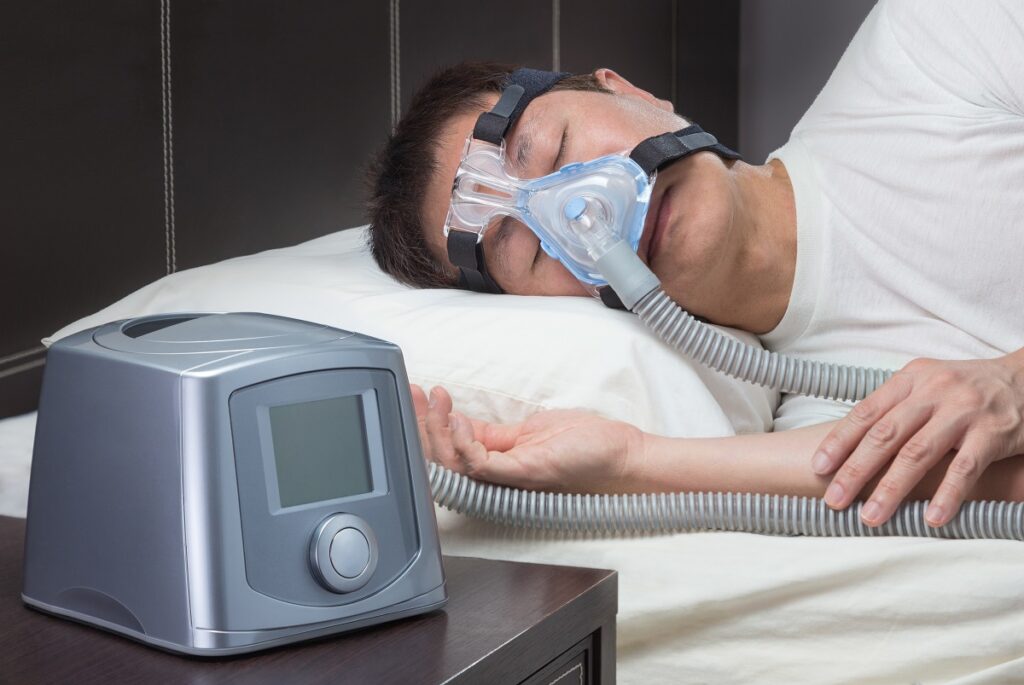
Sleep apnea is a prevalent condition in Australia, affecting around 25% of adult males and 10% of adult females. The risk factors for sleep apnea include obesity, age, and certain medical conditions like hypertension and diabetes.
In addition to the physical health implications, sleep apnea can also impact mental health and overall quality of life. Individuals with untreated sleep apnea may experience mood disturbances, depression, and a decreased quality of life. Seeking timely diagnosis and appropriate treatment is crucial in managing the symptoms and reducing the long-term health risks associated with sleep apnea.
The Importance of Sleep Apnea Testing
Proper diagnosis is crucial in managing sleep apnea effectively. Untreated sleep apnea can lead to various health problems, including hypertension, heart disease, stroke, and even an increased risk of accidents due to daytime sleepiness. Sleep apnea testing helps healthcare professionals evaluate the severity of the condition and develop a suitable treatment plan for each individual.
When it comes to sleep apnea testing, there are different methods that healthcare professionals may use to diagnose the condition. One common test is a polysomnography, which involves monitoring various body functions during sleep, such as brain activity, eye movements, muscle activity, heart rate, and breathing patterns. Another test that may be used is a home sleep apnea test, which allows individuals to undergo testing in the comfort of their own homes.
Identifying the Symptoms of Sleep Apnea
Sleep apnea is often characterized by symptoms such as loud snoring, frequent awakenings during the night, morning headaches, excessive daytime sleepiness, and difficulty concentrating. If you experience any of these symptoms, it is important to consult with a healthcare professional for further evaluation.
The Risks of Untreated Sleep Apnea
Untreated sleep apnea can have serious consequences for your overall health. It can lead to high blood pressure, heart disease, irregular heartbeats, stroke, diabetes, depression, and an increased risk of accidents. Seeking medical attention and undergoing sleep apnea testing is essential for managing the condition effectively.
Furthermore, untreated sleep apnea can also impact your quality of life by causing irritability, mood swings, and a decrease in libido. It can affect your relationships and performance at work or school. By addressing sleep apnea through proper testing and treatment, you can improve not only your physical health but also your mental well-being and overall quality of life. Read more about irritability on https://www.healthline.com/health/irritability
Home Sleep Apnea Tests
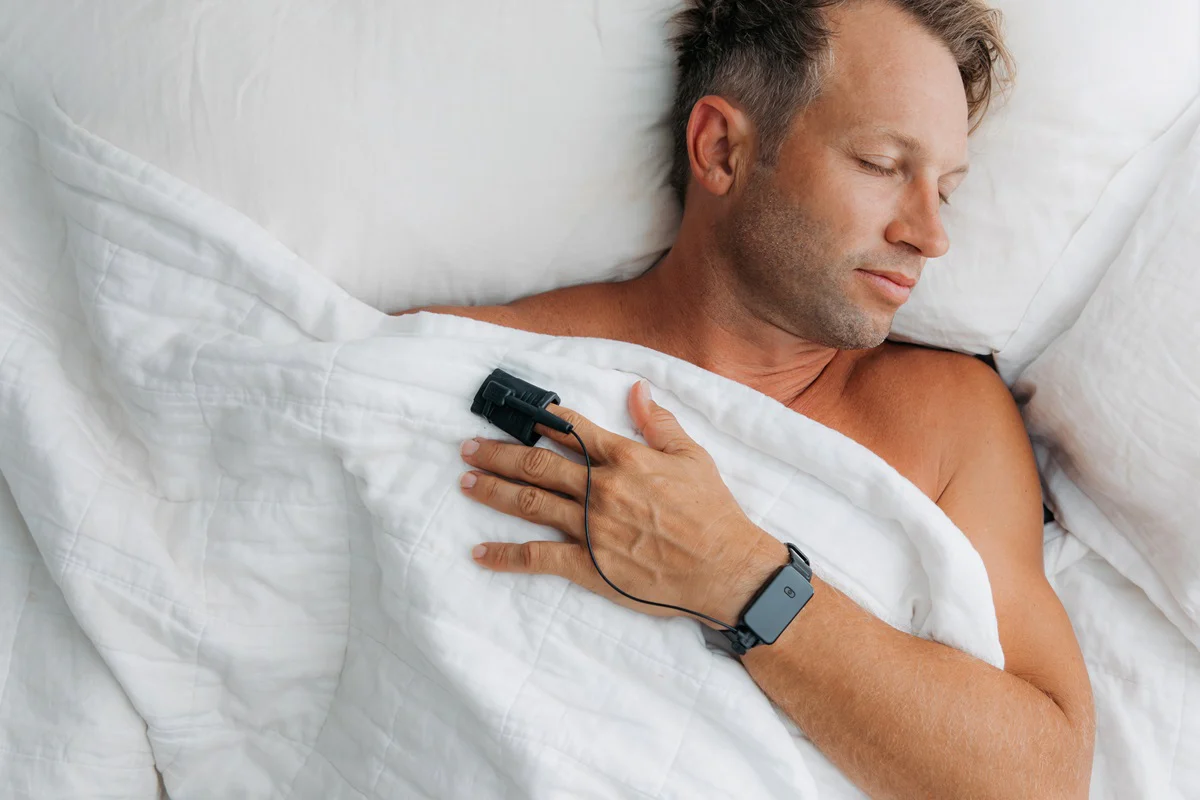
Home sleep apnea tests are convenient and cost-effective alternatives to clinic-based tests. They allow individuals to undergo sleep apnea testing in the comfort of their own homes while providing accurate results.
For many individuals, the thought of spending a night in a sleep clinic hooked up to various monitors can be daunting. Home sleep apnea tests offer a less intimidating alternative, allowing individuals to sleep in their familiar environment without the need for extensive equipment.
The Process of Home Sleep Apnea Testing
Home sleep apnea tests usually involve wearing a portable monitoring device that records various parameters such as airflow, respiratory effort, oxygen saturation, and heart rate while you sleep. These devices are easy to use and provide valuable information for diagnosing sleep apnea.
During the testing process, it is essential to follow the instructions provided carefully to ensure accurate results. The data collected by the monitoring device is later analyzed by sleep specialists to determine if the individual shows signs of sleep apnea.
Pros and Cons of Home Sleep Apnea Tests
There are several advantages to choosing a home sleep apnea test. It offers greater convenience and flexibility, as there is no need to travel to a clinic or spend a night away from home. Home tests are also typically more affordable than clinic tests. However, there are some limitations to consider. Home tests may not be suitable for individuals with certain medical conditions or those requiring a more comprehensive evaluation.
One potential drawback of home sleep apnea tests is the lack of immediate medical supervision during the testing process. In a clinic setting, medical professionals are present to address any issues or concerns that may arise during the night. Additionally, the accuracy of home tests can be influenced by factors such as improper device placement or movement during sleep, which may affect the quality of the data collected.
Clinic Sleep Apnea Tests
Clinic sleep apnea tests, also known as polysomnography, are conducted in specialized sleep clinics by trained medical professionals. These tests provide detailed information about sleep patterns, breathing, brain activity, and other physiological parameters.
Polysomnography is a complex study that involves monitoring various aspects of sleep, including brain waves, eye movements, muscle activity, heart rate, and breathing patterns. This comprehensive evaluation allows sleep specialists to not only diagnose sleep apnea but also identify other sleep disorders that may be present.
What to Expect from a Clinic Sleep Apnea Test
A clinic sleep apnea test involves spending a night in a sleep laboratory, where you are connected to sensors that monitor various aspects of your sleep. The data collected during the test is then analyzed by sleep specialists to determine the presence and severity of sleep apnea.
During the test, you will be monitored by trained technologists who will ensure the sensors are recording accurate data throughout the night. The sleep laboratory is designed to create a comfortable environment that mimics a typical bedroom to help you relax and sleep as naturally as possible.
Advantages and Disadvantages of Clinic Sleep Apnea Tests
One advantage of clinic sleep apnea tests is the comprehensive evaluation they provide. Sleep specialists can monitor multiple parameters simultaneously, offering a more detailed analysis of your sleep patterns. However, clinic tests may be time-consuming and require you to sleep away from home. They are also generally more expensive than home tests.
Despite the potential drawbacks, clinic sleep apnea tests are considered the gold standard for diagnosing sleep disorders due to the in-depth information they provide. The expertise of the medical staff and the advanced monitoring equipment used in sleep clinics ensure accurate results that can guide personalized treatment plans for individuals with sleep apnea. To learn more about monitoring click here.
Making the Decision: Home or Clinic?
When faced with the decision of whether to opt for a home or clinic sleep apnea test, there are several crucial factors that should be taken into consideration to ensure the most accurate and effective diagnosis.
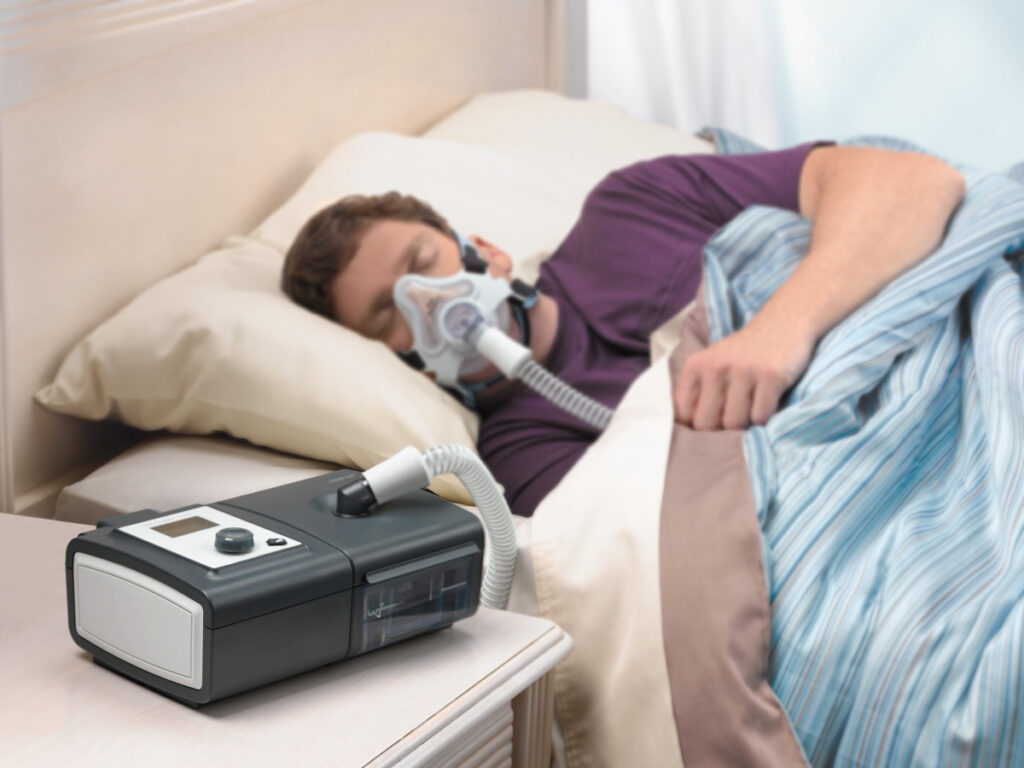
One important factor to consider is the level of comfort and familiarity you have with the testing environment. Some individuals may feel more at ease undergoing a sleep study in the comfort of their own home, where they are surrounded by familiar settings and can follow their regular bedtime routine. On the other hand, a clinic setting may provide access to more advanced monitoring equipment and immediate medical assistance if needed.
Factors to Consider When Choosing a Test
First and foremost, it is highly recommended to seek guidance from your healthcare professional before making a decision. They can assess your specific needs, preferences, and any underlying medical conditions that may impact the testing process. The severity of your sleep apnea symptoms and the urgency of obtaining a diagnosis are also important factors to take into account.
Consulting with Healthcare Professionals
Whether you ultimately decide on a home or clinic sleep apnea test, consulting with healthcare professionals who specialize in sleep medicine is essential. These experts have the knowledge and experience to assist you throughout the testing process, analyze the results accurately, and recommend suitable treatment options tailored to your individual needs.
To learn more about sleep test at adeliade click here.
Leave a Reply