
What to Expect During Sleep Testing: A Comprehensive Guide

Sleep testing, also known as polysomnography, is a diagnostic procedure used to evaluate and diagnose sleep disorders. It involves monitoring various physiological parameters during sleep to gather data and identify any abnormalities or disturbances that may affect the quality and quantity of sleep. This comprehensive guide aims to provide a detailed overview of what you can expect during sleep testing, from understanding the importance of sleep testing to interpreting the results and discussing treatment options with your doctor.
Understanding Sleep Testing
In order to fully grasp the significance of sleep testing, it’s crucial to recognize the vital role that sleep plays in our overall health and well-being. Sleep is a fundamental biological process that allows our bodies to rest, repair, and rejuvenate. Lack of quality sleep can lead to a range of health issues, including daytime fatigue, cognitive impairment, mood disturbances, and an increased risk of chronic conditions such as obesity, diabetes, and cardiovascular diseases.
The primary objective of sleep testing is to diagnose and treat sleep disorders, which can significantly disrupt normal sleep patterns and negatively impact an individual’s quality of life. Sleep disorders encompass a wide range of conditions, including sleep apnea, insomnia, narcolepsy, restless legs syndrome (RLS), and parasomnias like sleepwalking and night terrors.
The Importance of Sleep Testing
Sleep testing is crucial for accurately diagnosing sleep disorders and developing a personalized treatment plan tailored to the individual’s specific needs. It provides valuable insights into sleep architecture and stages, breathing patterns, brain activity, heart rate, oxygen levels, and movement during sleep. By monitoring these parameters, sleep testing allows healthcare professionals to identify any abnormalities or disruptions that may be contributing to sleep disorders and guide appropriate interventions.
For example, during a sleep test, the monitoring of brain activity can reveal the presence of abnormal electrical patterns that indicate a seizure disorder, such as epilepsy, that may be causing disruptions in sleep. Additionally, the measurement of oxygen levels can help identify cases of sleep apnea, a condition characterized by pauses in breathing during sleep, which can have serious consequences if left untreated.

Different Types of Sleep Tests
There are several different types of sleep tests, each designed to assess specific aspects of sleep and diagnose particular sleep disorders. The two most common types of sleep tests are in-lab polysomnography and home sleep apnea testing (HSAT).
- In-Lab Polysomnography: Most often conducted in specialized sleep centers or clinics, in-lab polysomnography involves spending a night at the facility, where various sensors and electrodes are used to monitor your sleep. This comprehensive test measures brain activity, eye movements, muscle activity, heart rate, breathing patterns, oxygen levels, and other physiological data.
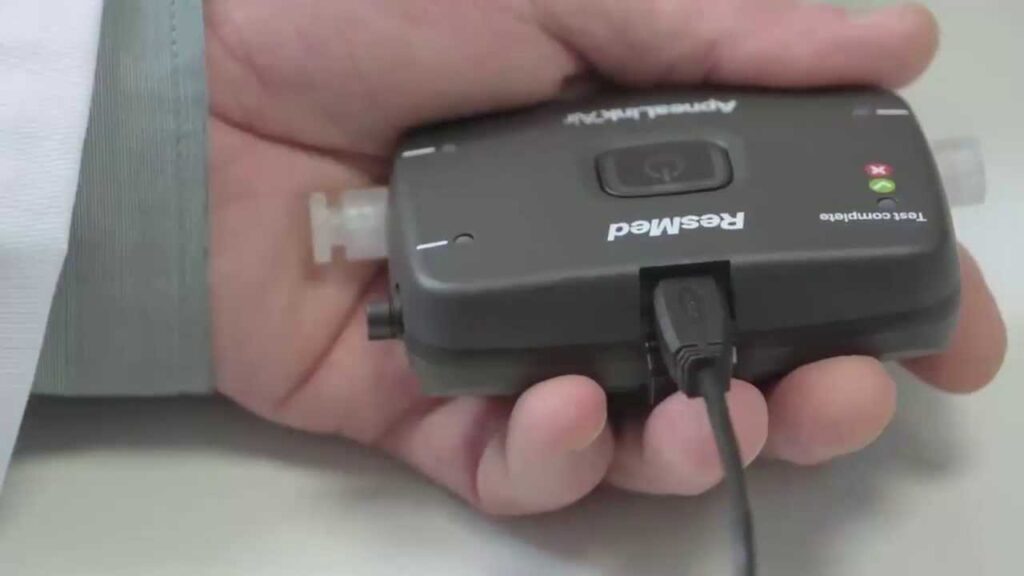
- Home Sleep Apnea Testing (HSAT): HSAT is a more convenient and cost-effective alternative to in-lab polysomnography, primarily used to diagnose obstructive sleep apnea. It involves using a portable device that records data on breathing, oxygen levels, and heart rate while you sleep in the comfort of your own home.
Both in-lab polysomnography and HSAT have their advantages and limitations. While in-lab polysomnography provides a more comprehensive assessment of sleep, it may be less convenient for some individuals due to the need to spend a night away from home. On the other hand, HSAT allows for testing in the familiar environment of one’s own bed but may not capture all the nuances of sleep parameters that an in-lab test can provide.
It’s important to consult with a healthcare professional to determine which type of sleep test is most appropriate for your specific situation. They will consider factors such as the suspected sleep disorder, your medical history, and any other relevant information to make an informed decision.
To learn about sleep study click here.
Preparing for Your Sleep Test
Before undergoing sleep testing, some preparations are necessary to ensure accurate and reliable results. Sleep tests, also known as polysomnography, are conducted to diagnose sleep disorders such as sleep apnea, narcolepsy, or restless legs syndrome. These tests monitor various body functions during sleep, including brain waves, eye movements, muscle activity, and heart rhythm.
Understanding the process and being well-prepared can help make the experience smoother and more effective.
Scheduling and Timing
Prior to your sleep test, you will need to schedule an appointment at a sleep center or with a healthcare provider who conducts sleep testing. It’s important to follow any instructions provided regarding the duration of fasting or any restrictions on caffeine or sleep medications before the test. Additionally, it’s crucial to inform the healthcare provider about any existing medical conditions, allergies, or medications you are currently taking.
Arriving on time for your sleep test is essential to ensure that the necessary preparations can be made before the testing begins. The healthcare provider will explain the procedure and address any concerns or questions you may have before starting the test.
What to Bring to Your Sleep Test
When packing for your sleep test, there are a few essential items you should remember to bring. These may include comfortable sleepwear, toiletries, any preferred pillows or blankets that promote better sleep, and any medications you may need to take during the testing period. It’s always beneficial to inquire with the sleep center or healthcare provider about specific items they recommend bringing.
Having familiar items from home, such as a favorite book or relaxing music, can help create a more comfortable environment during the sleep test. Some sleep centers may provide certain amenities, but having your preferred items can enhance relaxation and promote better sleep quality during the test. Read more about relaxing at https://www.health.harvard.edu/mind-and-mood/six-relaxation-techniques-to-reduce-stress
The Sleep Testing Process
The sleep testing process involves several key components, each playing a crucial role in obtaining accurate and reliable data to diagnose sleep disorders.
Before the sleep testing process begins, it is essential for patients to undergo a thorough consultation with a sleep specialist. This initial consultation helps the healthcare provider understand the patient’s medical history, symptoms, and concerns, which in turn guides the selection of appropriate sleep tests and monitoring parameters.
The Role of Sleep Technicians
Highly trained sleep technicians are responsible for conducting and monitoring sleep tests. They play a vital role in ensuring the proper placement of sensors and electrodes, as well as the calibration and adjustment of monitoring equipment. Sleep technicians are also responsible for monitoring sleep stages, breathing patterns, and other physiological parameters throughout the test.
Moreover, sleep technicians are trained to respond promptly to any issues that may arise during the test, such as equipment malfunctions or patient discomfort. Their expertise and attentiveness contribute significantly to the overall quality and accuracy of the sleep testing process.
The Testing Environment
The sleep testing environment is specifically designed to create a comfortable and sleep-conducive atmosphere. The sleep room is typically soundproof and equipped with dim lighting to mimic a typical bedroom setting. The aim is to create an environment that closely resembles your home environment, allowing for more accurate sleep data collection.
In addition to the physical aspects of the testing environment, efforts are made to ensure the psychological comfort of the patient. Creating a relaxing and familiar setting can help reduce anxiety and promote natural sleep patterns, leading to more representative test results.
The Testing Equipment
During sleep testing, a variety of equipment is used to monitor various physiological parameters. These include electrodes placed on the scalp to measure brain activity (EEG), electrodes near the eyes to monitor eye movements (EOG), electrodes on the chin and legs to detect muscle activity (EMG), an oximeter to measure oxygen levels, and sensors to track breathing patterns, heart rate, and snoring.
The data collected from these monitoring devices is meticulously analyzed by sleep specialists to identify patterns indicative of different sleep disorders. This comprehensive approach to data collection and analysis is essential for accurate diagnosis and effective treatment planning.
Interpreting Sleep Test Results
Once the sleep testing is complete, the collected data is carefully analyzed and interpreted by sleep specialists or healthcare professionals trained in sleep medicine. The interpretation of sleep test results involves several key factors, including an understanding of sleep stages and cycles, as well as identifying any sleep disorders or abnormalities.
Upon completion of the sleep test, the data undergoes a meticulous examination by experts in the field of sleep medicine. These professionals delve deep into the intricacies of your sleep patterns, meticulously scrutinizing every detail to unveil valuable insights into your sleep health. Through a comprehensive analysis, they aim to unravel the mysteries of your slumber and shed light on any underlying issues that may impact your rest.
Understanding Sleep Stages and Cycles
Sleep is divided into various stages, each characterized by different brainwave patterns, eye movements, muscle activity, and overall depth of sleep. The sleep stages consist of non-rapid eye movement (NREM) sleep, which further has three distinct stages (N1, N2, N3), and rapid eye movement (REM) sleep. The proportion and distribution of these sleep stages throughout the night provide crucial information about the quality and structure of your sleep.
Delving into the realm of sleep stages and cycles unveils a fascinating journey through the nocturnal landscape of the mind and body. From the gentle descent into the initial stages of light sleep to the profound immersion in the depths of REM sleep, each phase plays a vital role in the restoration and rejuvenation of your being. The ebb and flow of these stages create a symphony of restorative processes, orchestrating a harmonious balance essential for your overall well-being.
Identifying Sleep Disorders
The analysis of sleep test results allows healthcare professionals to identify any sleep disorders or abnormalities that may be present. These may include sleep apnea, which is characterized by pauses in breathing during sleep, insomnia, which involves difficulty falling asleep or staying asleep, narcolepsy, which is characterized by excessive daytime sleepiness, and other parasomnias or movement disorders. To read more about breathing click here.
Unraveling the enigma of sleep disorders requires a keen eye and a meticulous approach to decipher the subtle clues embedded within the sleep test results. From the silent interruptions of sleep apnea to the restless nights plagued by insomnia, each disorder paints a unique portrait of nocturnal challenges that individuals may face. By identifying and understanding these disorders, healthcare professionals can tailor personalized treatment plans to restore restful sleep and enhance overall quality of life.
Post-Test Procedures
After your sleep testing is complete, there are specific post-test procedures that you should follow to ensure proper follow-up and treatment of any identified sleep disorders.
Discussing Results with Your Doctor
It is essential to schedule a follow-up appointment with your doctor or a sleep specialist to discuss the results of your sleep test. They will explain the findings in detail, answer any questions you may have, and recommend appropriate treatment options based on the diagnosis.
Treatment Options for Sleep Disorders
The treatment options for sleep disorders may vary depending on the specific diagnosis and severity of the condition. Common treatment approaches include lifestyle modifications, such as improving sleep hygiene and implementing relaxation techniques, continuous positive airway pressure (CPAP) therapy for sleep apnea, medication management, cognitive-behavioral therapy for insomnia (CBT-I), and surgical interventions in some cases.
In conclusion, sleep testing is a valuable tool used to diagnose and treat various sleep disorders. By undergoing sleep testing, you can gain insight into your sleep patterns, identify any potential sleep disturbances, and receive appropriate treatment to improve your sleep quality and overall well-being. If you suspect you have a sleep disorder, it is essential to speak with your healthcare provider and consider undergoing sleep testing to address any underlying issues and improve your sleep health.
Leave a Reply