
Understanding Retinal Diseases and Their Impact on Vision
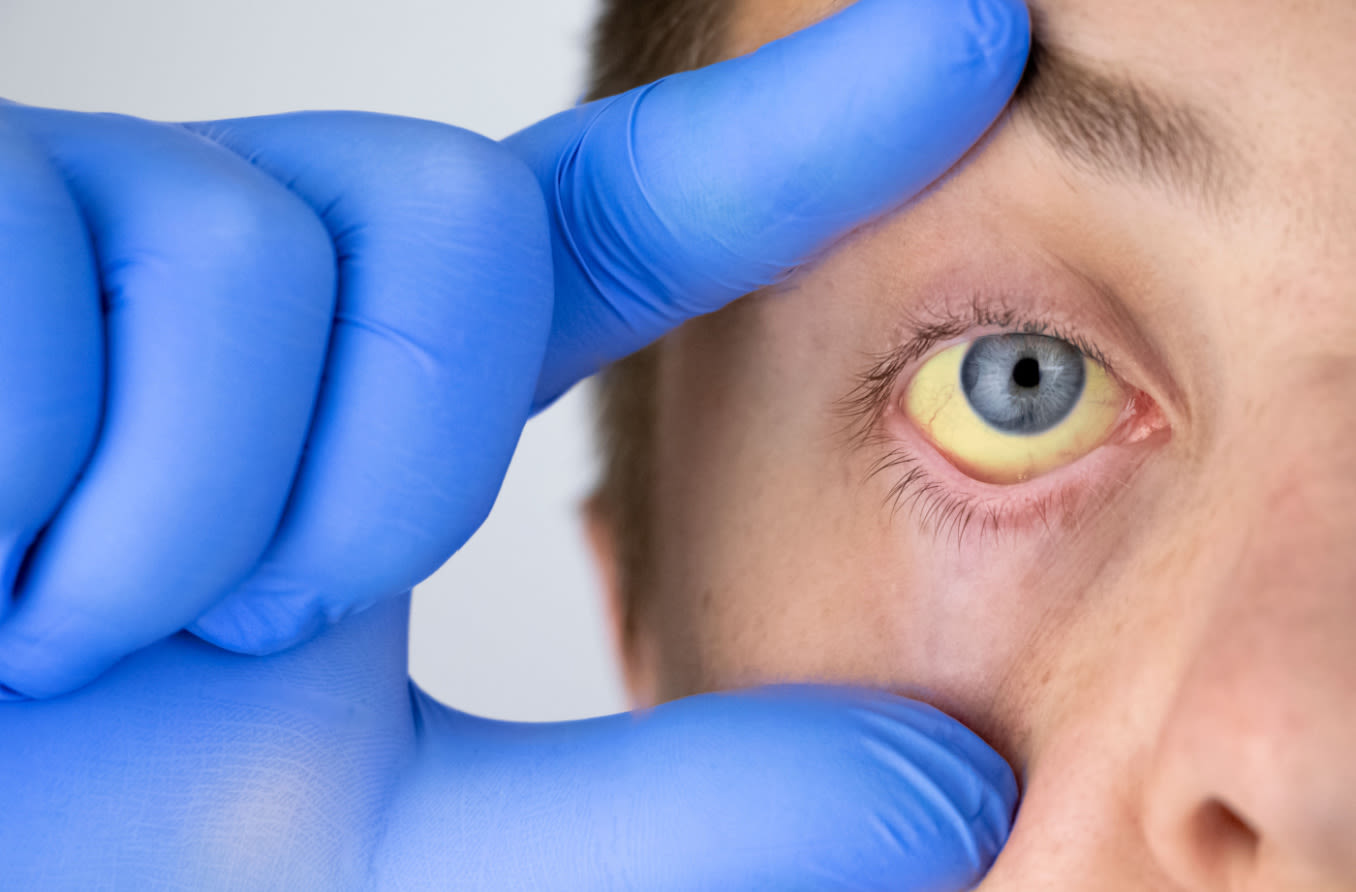
Retinal diseases are a group of ocular conditions that can have a significant impact on an individual’s vision. By understanding these diseases and their effects, we can better comprehend the challenges faced by those affected and explore potential treatment options.
An Overview of Retinal Diseases
Retinal diseases, as the name suggests, primarily affect the retina, which is the light-sensitive tissue at the back of the eye. The retina plays a crucial role in vision, as it converts light into electrical signals that are sent to the brain for interpretation. However, various factors can lead to the development of retinal diseases, causing disruptions in this complex process.
Understanding the intricate nature of retinal diseases involves delving into the complexities of the eye’s anatomy and physiology. The retina, a thin layer of tissue lining the back of the eye, contains specialized cells called photoreceptors that capture light and initiate the process of vision. In addition to photoreceptors, the retina houses other cell types that support its function, such as bipolar cells, ganglion cells, and Müller cells, each playing a vital role in transmitting visual information to the brain.
Defining Retinal Diseases
Retinal diseases encompass a wide range of conditions that affect the retina’s structure or functionality. These diseases can be classified into different categories based on their causes and characteristics. Some of the common types include diabetic retinopathy, age-related macular degeneration (AMD), retinal detachment, and retinitis pigmentosa.
Delving deeper into the realm of retinal diseases reveals the intricate interplay of genetic predispositions, environmental factors, and systemic conditions that contribute to their development. For instance, diabetic retinopathy, a leading cause of blindness in adults, is closely linked to poorly controlled blood sugar levels in individuals with diabetes. Similarly, age-related macular degeneration is influenced by a combination of genetic susceptibility and lifestyle factors, such as smoking and diet.
Common Types of Retinal Diseases
Diabetic retinopathy is prevalent among individuals with diabetes and can damage the blood vessels in the retina. AMD mainly affects older adults and causes a gradual loss of central vision. Retinal detachment occurs when the retina separates from its underlying tissue, posing an immediate threat to vision. Retinitis pigmentosa, on the other hand, leads to the progressive degeneration of the retina and can result in reduced peripheral vision.
Exploring the manifestations of these retinal diseases unveils a spectrum of symptoms that range from subtle visual changes to profound vision loss. Individuals with diabetic retinopathy may experience blurred vision, floaters, and difficulty seeing at night, indicating the progressive damage to their retinal blood vessels. In contrast, those affected by retinitis pigmentosa often report night blindness and tunnel vision as the disease gradually impairs their peripheral vision, impacting activities such as driving and navigating dimly lit environments.
The Anatomy of the Retina
To understand how retinal diseases affect vision, it is essential to familiarize ourselves with the anatomy of the retina. The retina consists of several layers, each playing a unique role in visual processing.
One of the key layers in the retina is the retinal pigment epithelium (RPE), located behind the photoreceptor cells. The RPE plays a crucial role in supporting the function of the photoreceptor cells by providing essential nutrients and removing waste products. Additionally, the RPE helps maintain the integrity of the retina by forming the outer blood-retinal barrier, which protects the delicate structures of the retina from harmful substances circulating in the blood.
The Role of the Retina in Vision
The retina’s primary function is to capture light and convert it into electrical signals. This process begins with the photoreceptor cells, known as rods and cones, which detect light and transmit visual information to the next layer of cells. These signals then pass through layers of interneurons before reaching the ganglion cells. The ganglion cells send the processed information to the brain via the optic nerve.
Furthermore, the retina contains specialized cells called horizontal cells and amacrine cells, which play essential roles in processing visual information within the retina itself. Horizontal cells help integrate signals from multiple photoreceptor cells, enhancing the contrast and sensitivity of the visual system. Amacrine cells, on the other hand, modulate the information flow between different layers of the retina, allowing for complex processing of visual stimuli before it is transmitted to the brain.
How Retinal Diseases Affect the Retina
Retinal diseases can disrupt any part of this intricate process, compromising the transmission of visual information. For example, in diabetic retinopathy, abnormal blood vessels can damage the retina’s delicate structure, leading to vision impairment. AMD and retinitis pigmentosa, on the other hand, mainly target the photoreceptor cells, hindering their ability to convert light into electrical signals.
Moreover, conditions like macular degeneration can specifically affect the macula, a small but crucial area in the center of the retina responsible for detailed central vision. Damage to the macula can result in a loss of sharp, central vision, making it difficult to read, drive, or recognize faces. Understanding how different retinal diseases impact specific structures within the retina is essential for developing targeted treatments to preserve and restore vision. Learn more about preserve and restore vision at https://pubmed.ncbi.nlm.nih.gov/29859174/
Symptoms and Diagnosis of Retinal Diseases
Recognizing the symptoms associated with retinal diseases is crucial for early detection and prompt treatment. Furthermore, understanding the diagnostic procedures used to evaluate these conditions can aid in providing accurate diagnoses and appropriate management.
Retinal diseases encompass a wide range of conditions that affect the delicate tissue at the back of the eye responsible for capturing light and sending visual signals to the brain. These diseases can have varying causes, including age-related degeneration, diabetes, hypertension, and genetic factors. By being vigilant about symptoms and seeking timely medical attention, individuals can potentially prevent irreversible damage to their vision.
Recognizing the Symptoms
Common symptoms of retinal diseases include blurred or distorted vision, floaters, flashes of light, and peripheral vision loss. It is important to note that these symptoms may vary depending on the specific disease and its stage of progression. Regular eye examinations and reporting any changes in vision to an eye care professional are vital for timely intervention.
Moreover, individuals with a family history of retinal diseases or those with systemic conditions like diabetes should be especially proactive in monitoring their eye health. Early detection of retinal disease symptoms can lead to interventions that may slow down or halt the progression of the condition, preserving vision and quality of life.
Diagnostic Procedures for Retinal Diseases
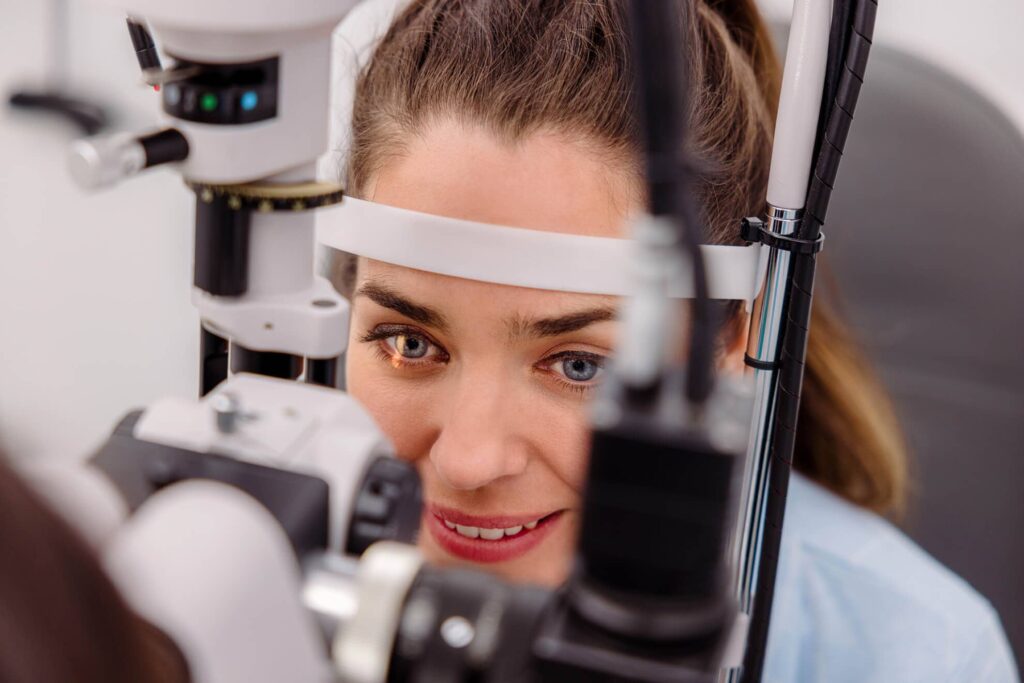
Eye care professionals employ various diagnostic techniques to assess retinal diseases. These methods may include a comprehensive eye examination, visual acuity tests, dilated eye exams, retinal imaging, and optical coherence tomography (OCT). These procedures allow doctors to evaluate the structure and function of the retina, aiding in accurate diagnoses and treatment planning.
Retinal imaging techniques, such as fundus photography and fluorescein angiography, provide detailed images of the retina, helping ophthalmologists identify abnormalities such as swelling, bleeding, or abnormal blood vessel growth. Optical coherence tomography, a non-invasive imaging test, allows for cross-sectional visualization of the retina, enabling precise measurements of retinal thickness and the identification of subtle structural changes.
The Impact of Retinal Diseases on Vision
Retinal diseases can have both short-term and long-term effects on an individual’s visual function. Understanding these impacts can help individuals and their healthcare providers adapt and implement appropriate strategies to optimize vision and overall quality of life.
Retinal diseases encompass a wide range of conditions that affect the delicate tissue at the back of the eye responsible for capturing light and sending visual signals to the brain. These diseases can be caused by various factors such as age-related changes, genetic predisposition, or underlying health conditions. The intricate nature of the retina makes it susceptible to damage, leading to a cascade of visual disturbances that can vary in severity and impact.
Short-term Effects on Vision
When retinal diseases occur, they can cause immediate visual impairments such as blurred or distorted vision, difficulty seeing in low light conditions, or reduced contrast sensitivity. These short-term effects can significantly impact daily activities and may require adaptive measures like using magnifying aids or adjusting lighting conditions.
Moreover, the sudden onset of visual symptoms due to retinal diseases can be distressing and disorienting for individuals, affecting not only their physical capabilities but also their emotional well-being. The frustration of struggling to see clearly or the fear of losing more vision can lead to heightened anxiety and stress, underscoring the importance of timely intervention and support from healthcare professionals.
Long-term Effects on Vision
If left untreated or unmanaged, retinal diseases can lead to progressive vision loss. Conditions like AMD and retinitis pigmentosa, for instance, can result in permanent central or peripheral vision loss, affecting an individual’s ability to read, drive, or perform tasks that require fine visual detail. However, early detection, ongoing management, and appropriate treatment can help slow down or mitigate these long-term effects.
It is crucial for individuals with retinal diseases to undergo regular eye examinations to monitor the status of their condition and adjust treatment plans accordingly. By staying proactive and engaged in their eye health, individuals can work towards preserving their vision and adapting to any changes that may arise over time. Collaborating with a multidisciplinary healthcare team that includes ophthalmologists, optometrists, and low vision specialists can provide comprehensive care and support tailored to the specific needs of each individual facing retinal diseases.
Treatment Options for Retinal Diseases
Although not all retinal diseases are curable, various treatment options are available to manage their progression, alleviate symptoms, and preserve vision. These treatment modalities can be non-surgical or surgical, depending on the severity and nature of the condition.
Non-Surgical Treatments
Non-surgical treatments for retinal diseases may include medications such as anti-VEGF injections, which help reduce abnormal blood vessel growth and inflammation. These injections are administered directly into the eye, targeting the specific area affected by the disease. By inhibiting the growth of new blood vessels and reducing inflammation, anti-VEGF injections can slow down the progression of retinal diseases and prevent further vision loss.
In addition to medication, laser therapy techniques like photocoagulation or photodynamic therapy can also be used to target and seal leaky blood vessels. Photocoagulation involves using a laser to create small burns on the retina, which then scar and seal the leaking vessels. Photodynamic therapy, on the other hand, utilizes a combination of a light-sensitive drug and laser treatment to selectively destroy abnormal blood vessels.
Furthermore, lifestyle modifications can play a significant role in managing retinal diseases. For example, individuals with retinal diseases are often advised to quit smoking, as smoking can worsen the condition and increase the risk of vision loss. Additionally, maintaining a healthy diet rich in antioxidants, omega-3 fatty acids, and vitamins A, C, and E can support retinal health. Nutritional supplements, such as those containing lutein and zeaxanthin, may also be recommended to help slow down the progression of certain retinal diseases.
For individuals with significant vision loss due to retinal diseases, low vision aids can provide valuable assistance. These aids include magnifiers, telescopes, and specialized glasses that enhance visual capabilities and improve quality of life. Click here to learn more about improving quality of life.
Surgical Treatments
For certain retinal conditions, surgical interventions may be necessary. Procedures like vitrectomy, retinal detachment repair, or implantation of retinal prosthetics can help restore or improve vision. Vitrectomy involves removing the gel-like substance in the center of the eye called the vitreous, and replacing it with a clear solution. This procedure is often performed to treat conditions such as diabetic retinopathy or macular holes.
Retinal detachment repair is another surgical option for individuals with retinal diseases. This procedure aims to reattach the detached retina to the back of the eye, preventing further vision loss. Depending on the severity of the detachment, different techniques such as scleral buckling or pneumatic retinopexy may be employed.
In some cases, the implantation of retinal prosthetics, such as retinal implants or artificial retinas, may be considered. These devices are designed to bypass damaged retinal cells and stimulate the remaining healthy cells, allowing individuals with severe retinal diseases to regain some visual function.
In conclusion, understanding retinal diseases and their impact on vision is essential for both individuals and healthcare professionals. By familiarizing ourselves with the different types of retinal diseases, their symptoms, diagnostic procedures, and available treatment options, we can work towards early detection, effective management, and improved quality of life for those affected by these conditions. With advancements in medical technology and ongoing research, the future holds promise for even more innovative treatment options that may further enhance the outcomes for individuals with retinal diseases.
Read more
Leave a Reply