
The Importance of a Sleep Study for Diagnosing Sleep Disorders

In today’s fast-paced world, sleep disorders have become increasingly prevalent. It is estimated that up to 70 million Americans suffer from some form of sleep disorder, with consequences ranging from daytime sleepiness to more serious health conditions. While the symptoms of sleep disorders may vary, one thing remains constant – the critical importance of a sleep study for an accurate diagnosis.
Understanding Sleep Disorders
Sleep disorders encompass a wide range of conditions that affect the quality and quantity of sleep. Insomnia, sleep apnea, narcolepsy, and restless leg syndrome are just a few examples of these disorders. Each disorder manifests differently and has its own unique set of symptoms and implications on a person’s well-being.
A sleep study is a non-invasive procedure conducted in a sleep clinic or laboratory. During the study, electrodes are placed on various parts of the body to monitor brain waves, muscle activity, eye movements, heart rate, and breathing patterns. This data is then analyzed by sleep specialists to evaluate the presence and severity of any sleep disorders.
It’s important to note that sleep disorders can also be influenced by external factors such as lifestyle choices, stress levels, and underlying medical conditions. For instance, individuals who work irregular hours or have high levels of stress may be more prone to developing sleep disorders. Additionally, certain medications and substances like caffeine and alcohol can disrupt normal sleep patterns, leading to the onset of these disorders.
Common Types of Sleep Disorders
Insomnia is perhaps one of the most well-known sleep disorders, characterized by the struggle to fall asleep or stay asleep. Sleep apnea, on the other hand, is a disorder where a person experiences pauses in their breathing while asleep. Narcolepsy leads to excessive daytime sleepiness and sudden bursts of uncontrollable sleep.
Another common sleep disorder is restless leg syndrome, which is characterized by an overwhelming urge to move the legs while at rest. This can significantly disrupt sleep and lead to feelings of discomfort and restlessness, impacting both the quantity and quality of rest obtained.
Symptoms and Impact of Sleep Disorders
The effects of sleep disorders extend far beyond simply feeling tired. They can impair cognitive function, contribute to mood disorders such as depression and anxiety, increase the risk of accidents, and even worsen chronic conditions like diabetes and cardiovascular disease. Recognizing the symptoms and understanding the impact is crucial in seeking appropriate treatment.
Furthermore, sleep disorders can also have a profound impact on interpersonal relationships and overall quality of life. Individuals suffering from these disorders may experience difficulties in maintaining focus at work or school, have strained relationships due to irritability and fatigue, and struggle to engage in social activities due to excessive daytime sleepiness. Seeking professional help and implementing lifestyle changes are essential steps in managing and improving the symptoms of sleep disorders.
The Role of Sleep Studies in Diagnosis
Sleep studies, also known as polysomnography, play a vital role in diagnosing sleep disorders accurately. These studies provide comprehensive information about a person’s sleep patterns, brain activity, oxygen levels, and other physiological parameters throughout the night.
Understanding the intricacies of sleep is crucial for maintaining overall health and well-being. Sleep studies delve deep into the complexities of the body’s restorative processes during sleep, shedding light on potential issues that may disrupt this essential function.
Read Bout sleep testing at: What to Expect During Sleep Testing
What is a Sleep Study?
These electrodes serve as silent observers, capturing the body’s responses and activities as it transitions through different sleep stages. By meticulously recording these physiological changes, sleep studies provide valuable insights into the quality and quantity of an individual’s sleep, paving the way for targeted interventions and treatment plans.
How Sleep Studies Work
Throughout the night, the sleep technologist carefully monitors the patient, ensuring that the gathered data is accurate and reliable. A sleep study typically measures the different stages of sleep, including rapid eye movement (REM) and non-REM sleep, as well as any interruptions in breathing or abnormal movements.
As the night unfolds, the sleep technologist remains vigilant, observing for any anomalies or irregularities that could indicate underlying sleep disorders. This meticulous attention to detail allows for a comprehensive analysis of the individual’s sleep architecture, highlighting potential areas of concern that require further investigation or intervention.
Benefits of Sleep Studies in Diagnosing Sleep Disorders
Understanding the benefits of sleep studies is crucial in appreciating their role in diagnosing sleep disorders effectively.
Sleep studies are conducted in specialized sleep centers or laboratories equipped with state-of-the-art technology to monitor various aspects of an individual’s sleep. During a sleep study, a person’s brain waves, heart rate, breathing patterns, and body movements are closely monitored to provide a comprehensive assessment of their sleep quality and identify any potential issues.
Accuracy in Diagnosis
Sleep studies provide an objective evaluation of a person’s sleep patterns and enable healthcare professionals to make accurate diagnoses. By analyzing the data collected during a sleep study, clinicians can determine the presence of specific sleep disorders and formulate appropriate treatment plans.
Furthermore, sleep studies can also help identify underlying health conditions that may be contributing to sleep disturbances, such as sleep apnea, restless legs syndrome, or narcolepsy. This comprehensive approach to diagnosis ensures that all factors affecting an individual’s sleep are taken into consideration for a more precise treatment plan.
Personalized Treatment Plans
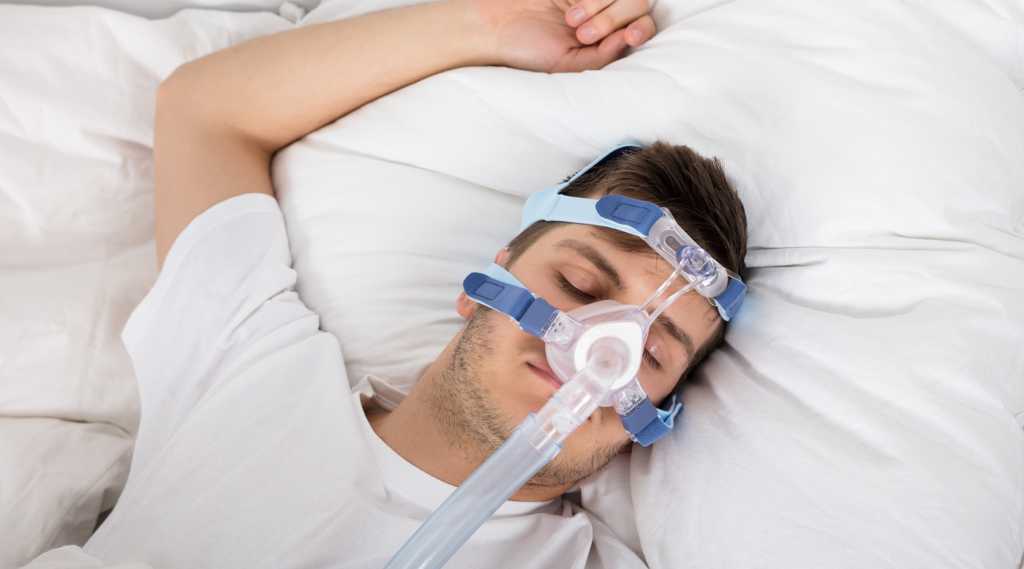
A sleep study lays the foundation for personalized treatment plans tailored to address each individual’s unique sleep disorder. These plans may include lifestyle modifications, behavioral therapies, the use of continuous positive airway pressure (CPAP) machines, or the administration of medication depending on the diagnosed condition.
Moreover, the data gathered from a sleep study can be used to track the effectiveness of the treatment plan over time and make adjustments as needed to optimize the individual’s sleep quality and overall well-being. By combining the insights from a sleep study with ongoing monitoring and support, healthcare providers can ensure that patients receive the most effective and personalized care for their sleep disorders. Find more about quality at https://www.msu.edu.my/sdg/quality-education
Overcoming Barriers to Sleep Studies
Despite the benefits, there are common fears and misconceptions surrounding sleep studies that may prevent individuals from pursuing diagnosis and treatment.
Understanding the importance of sleep studies in diagnosing sleep disorders can help individuals overcome their hesitations. These studies provide valuable insights into various sleep-related issues, such as sleep apnea, insomnia, and restless leg syndrome. By participating in a sleep study, individuals can receive personalized treatment plans to improve their overall sleep quality and, consequently, their quality of life.
Addressing Common Fears and Misconceptions
One common fear is that sleep studies are uncomfortable or intrusive. However, sleep clinics ensure that patients are as comfortable as possible during the study, with private rooms and state-of-the-art monitoring equipment. It is essential to dispel these myths and provide accurate information about the experience.
Moreover, sleep technologists are highly trained professionals who prioritize patient comfort and safety throughout the study. They are available to address any concerns or questions that may arise during the process, ensuring that individuals feel supported and at ease throughout the night.
Practical Tips for a Successful Sleep Study
Preparing for a sleep study can greatly contribute to its success. It is advisable to follow a regular sleep schedule, avoid caffeine and stimulants, and bring any essential items that will help create a more comfortable sleeping environment.
In addition to these tips, maintaining open communication with the sleep clinic staff can also enhance the overall experience. By discussing any specific preferences or concerns with the healthcare team, individuals can work together to ensure that the sleep study is tailored to their needs and preferences, ultimately leading to more accurate results and effective treatment plans.

The Future of Sleep Studies
As technology continues to advance, so too will the field of sleep studies.
Technological Advancements in Sleep Studies
Emerging technologies, such as wearable sleep trackers and home-based sleep studies, are revolutionizing how sleep disorders are diagnosed and managed. These innovations have the potential to increase accessibility and convenience for patients while providing valuable data to healthcare professionals.
Furthermore, the integration of artificial intelligence (AI) algorithms in sleep studies is poised to transform the field even further. AI can analyze vast amounts of sleep data with incredible speed and accuracy, leading to more precise diagnoses and personalized treatment plans for individuals. This cutting-edge technology not only streamlines the diagnostic process but also opens up new possibilities for understanding the complexities of sleep disorders. Click here to read more about artificial intelligence (AI).
The Role of Sleep Studies in Preventative Health Care
Recognizing the crucial role of sleep in overall well-being, sleep studies are also finding their place in preventative healthcare. By identifying and treating sleep disorders early on, individuals can mitigate the long-term health implications and improve their overall quality of life.
Moreover, the interdisciplinary nature of modern sleep studies is fostering collaboration between sleep specialists, psychologists, nutritionists, and fitness experts. This holistic approach recognizes that sleep is interconnected with various aspects of health and lifestyle, leading to comprehensive treatment plans that address the root causes of sleep disturbances.
Leave a Reply