
Sleep Apnea Testing in Adelaide: What to Expect
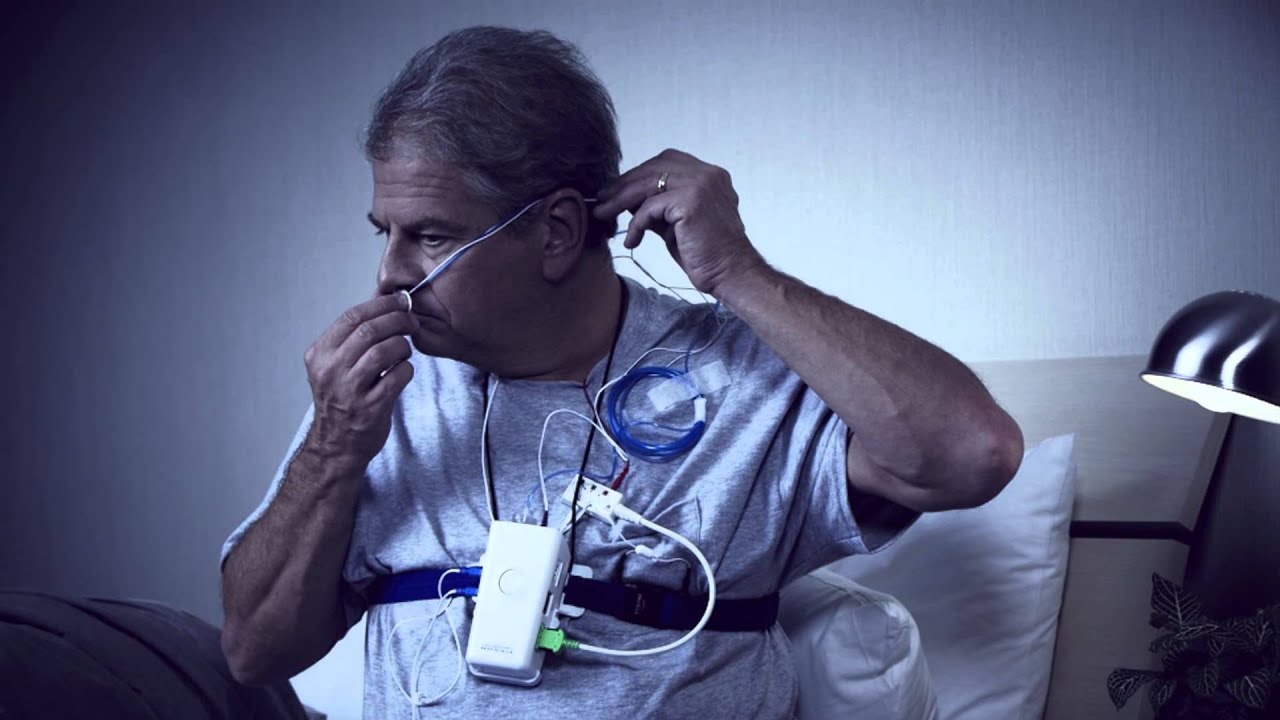
Sleep apnea is a sleep disorder characterized by pauses in breathing or instances of shallow or infrequent breathing during sleep. This condition can have serious health implications if left untreated, which is why it is important to undergo sleep apnea testing. In Adelaide, there are various sleep clinics that specialize in diagnosing and treating sleep apnea. If you suspect you may have sleep apnea, it is crucial to understand what to expect during the testing process.
Understanding Sleep Apnea
Sleep apnea affects millions of people worldwide and can significantly impact their quality of life. It is a condition that occurs when the muscles in the throat fail to keep the airway open during sleep. As a result, breathing is disrupted, leading to brief awakenings or arousals throughout the night. These awakenings are often so brief that they go unnoticed, but they can disrupt the normal sleep cycle and prevent individuals from getting the restorative sleep they need.
Sleep apnea testing Adelaide is crucial for anyone experiencing symptoms or at risk of sleep apnea. By understanding the process and what to expect, individuals can take proactive steps towards improving their quality of sleep and overall well-being.
The Science Behind Sleep Apnea
There are three types of sleep apnea: obstructive sleep apnea (OSA), central sleep apnea (CSA), and complex sleep apnea syndrome (CSAS). OSA is the most common form and is caused by a physical obstruction, such as relaxed throat muscles or excess tissue in the airway. CSA, on the other hand, occurs when the brain fails to send proper signals to the muscles that control breathing. CSAS is a combination of both OSA and CSA.
Understanding the science behind sleep apnea can shed light on the complexity of this condition. In OSA, the relaxation of throat muscles during sleep leads to a narrowing or closure of the airway, causing breathing difficulties. This obstruction can be influenced by factors such as obesity, smoking, alcohol consumption, and even the anatomy of the individual’s airway. On the other hand, CSA is characterized by a lack of respiratory effort due to the brain’s failure to send the appropriate signals to the respiratory muscles. This can be caused by underlying medical conditions, such as heart failure or stroke.
Regardless of the type, sleep apnea can lead to a range of symptoms and health risks if left untreated. It is essential to recognize the signs of sleep apnea and seek proper testing and treatment.
Common Symptoms and Risks of Sleep Apnea
Sleep apnea can manifest in various ways, and the symptoms may differ from person to person. However, some common signs of sleep apnea include loud snoring, excessive daytime sleepiness, morning headaches, irritability, and difficulty concentrating. It is also associated with an increased risk of high blood pressure, heart disease, stroke, and diabetes.
Understanding the symptoms and risks associated with sleep apnea can help individuals take proactive steps towards diagnosis and treatment. Loud snoring, for example, is often a prominent symptom of sleep apnea and can be disruptive to both the individual and their bed partner. Excessive daytime sleepiness can significantly impact daily functioning, leading to decreased productivity and an increased risk of accidents. The association between sleep apnea and cardiovascular diseases, such as high blood pressure and heart disease, highlights the importance of addressing this condition to safeguard overall health.
The Importance of Sleep Apnea Testing
Diagnosing sleep apnea requires undergoing a sleep apnea test, also known as a polysomnography. This test helps determine the severity and type of sleep apnea a person may have. It is an essential step towards improving both physical and cognitive health.
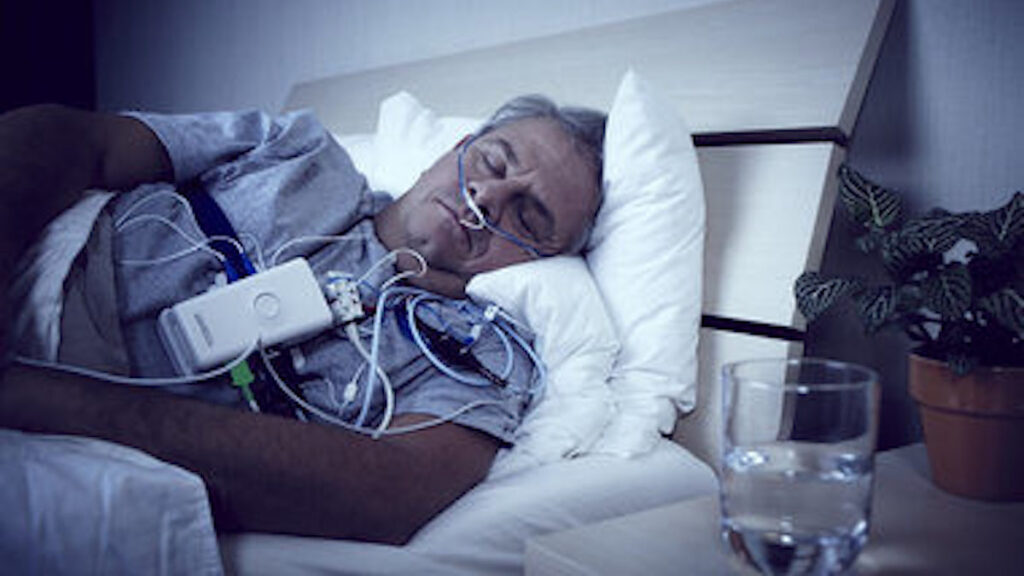
During a polysomnography test, various parameters are monitored while you sleep. These include brain waves, oxygen levels in the blood, heart rate, and breathing patterns. The data collected during the test provides valuable insights into your sleep patterns and helps healthcare professionals make an accurate diagnosis.
Read about sleep test at home and clinics on: Choosing Between Home and Clinic Sleep Apnea Tests in Australia
Health Implications of Untreated Sleep Apnea
Untreated sleep apnea can lead to a variety of health issues. The lack of oxygen during sleep can put strain on the heart, leading to hypertension, irregular heartbeat, and even heart failure. People with sleep apnea are also at an increased risk of developing type 2 diabetes, obesity, and depression. Additionally, the chronic fatigue caused by sleep apnea can impair cognitive function, memory, and overall quality of life.
Furthermore, untreated sleep apnea can have serious consequences on your daily life. It can result in decreased productivity at work, difficulties in concentrating, and even an increased risk of accidents due to daytime drowsiness. By addressing sleep apnea through proper testing and treatment, individuals can not only safeguard their physical health but also enhance their overall well-being and performance.
How Sleep Apnea Testing Can Improve Quality of Life
Identifying and treating sleep apnea can greatly improve an individual’s quality of life. By undergoing sleep apnea testing, you can gain a better understanding of your condition and receive appropriate treatment. This may involve the use of continuous positive airway pressure (CPAP) therapy, oral appliances, lifestyle changes, or, in severe cases, surgery. With effective treatment, many individuals experience improved sleep, increased energy levels, reduced symptoms, and a decreased risk of related health issues. Find more about energy on https://www.qrg.northwestern.edu/projects/vss/docs/space-environment/1-what-is-energy.html
Moreover, addressing sleep apnea can have a positive ripple effect on various aspects of your life. Improved sleep quality can lead to better mood regulation, enhanced cognitive abilities, and a stronger immune system. By prioritizing sleep health and seeking proper diagnosis and treatment, individuals can unlock a pathway to a more vibrant, energetic, and fulfilling life.
Preparing for Your Sleep Apnea Test
Before you undergo a sleep apnea test in Adelaide, there are a few things you should know and prepare for to ensure a smooth testing process. Sleep apnea is a common sleep disorder characterized by pauses in breathing or shallow breaths during sleep. It can lead to fragmented sleep and low blood oxygen levels, impacting your overall health and well-being. A sleep apnea test, also known as a polysomnogram, is a diagnostic tool used to monitor various body functions during sleep and identify any abnormalities.
During the test, sensors will be placed on your body to monitor your brain activity, eye movements, heart rate, blood pressure, and oxygen levels while you sleep. This information helps healthcare providers assess your sleep patterns and determine if you have sleep apnea. By following these guidelines and preparing adequately for your test, you can contribute to a more accurate diagnosis and appropriate treatment plan.
What to Bring to Your Appointment
When attending your sleep apnea test, it is important to bring certain essentials with you. These may include comfortable sleepwear, toiletries, any necessary medications, and your ID and insurance information. You may also want to bring items that help you relax, such as a favorite book or pillow. Creating a comfortable and familiar sleep environment can aid in relaxation and promote more natural sleep patterns during the test. Additionally, consider bringing a list of any symptoms you have been experiencing, as well as any questions you may have for the healthcare team.
Lifestyle Adjustments Before Testing
Prior to your sleep apnea test, it is advisable to make certain adjustments to ensure accurate results. Avoiding caffeine and heavy meals in the evening can help minimize sleep disturbances. Caffeine is a stimulant that can interfere with your ability to fall asleep and stay asleep, potentially affecting the quality of data collected during the test. Opting for light, easily digestible meals in the hours leading up to the test can promote better sleep quality and reduce the likelihood of nighttime awakenings. Additionally, establishing a regular sleep schedule and creating a calming bedtime routine can signal to your body that it is time to rest, facilitating a smoother transition into sleep during the test.
The Sleep Apnea Testing Process
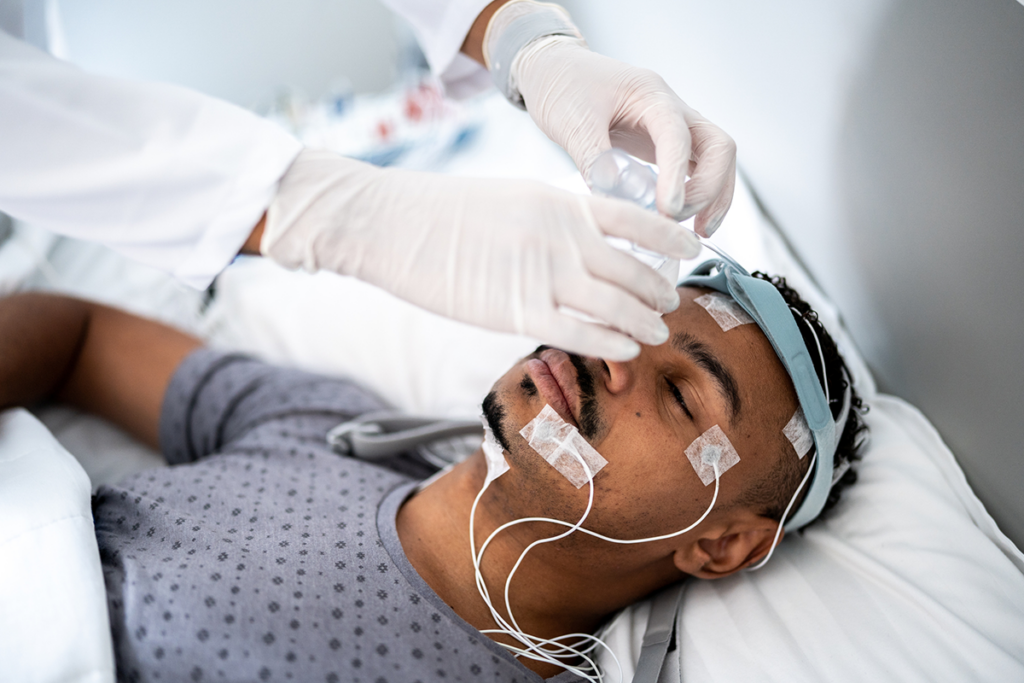
During your sleep apnea test, a sleep technician will monitor your sleep patterns and breathing. This information is recorded through electrodes placed on your scalp, face, chest, and legs. The technician will also provide you with instructions on how to use the equipment properly.
Before the testing begins, the sleep technician will ensure that all the electrodes are securely attached to their designated areas on your body. These electrodes are essential for capturing the necessary data to diagnose sleep apnea accurately. Once the electrodes are in place, the technician will start the monitoring process, allowing you to relax and fall asleep naturally.
The Role of the Sleep Technician
The sleep technician plays a crucial role in conducting the sleep apnea test. They will monitor your sleep patterns in real-time, ensuring the accuracy of the data collected. Additionally, they can answer any questions or address any concerns you may have throughout the testing process.
As you drift off to sleep, the sleep technician will carefully observe the data being recorded to identify any irregularities in your breathing or sleep cycles. Their expertise allows them to interpret the information gathered by the various electrodes and sensors, providing valuable insights into your sleep patterns.
Understanding the Equipment Used in Testing
The equipment used in sleep apnea testing includes electroencephalography (EEG) electrodes to measure brain activity, electromyography (EMG) electrodes to monitor muscle activity, and electrooculography (EOG) electrodes to track eye movements. Other sensors, such as those for airflow, heart rate, and oxygen saturation, are also used to evaluate breathing patterns and sleep disturbances. Click here to read more about electroencephalography.
Each piece of equipment serves a specific purpose in monitoring different aspects of your body’s functions during sleep. The combination of these technologies provides a comprehensive overview of your sleep health, enabling healthcare professionals to make an accurate diagnosis and recommend appropriate treatment options. The meticulous data collection process ensures that no potential indicators of sleep apnea go unnoticed, leading to a thorough and insightful evaluation of your condition.
Interpreting Your Sleep Apnea Test Results
Once your sleep apnea test is complete, the data collected will be analyzed by a sleep specialist. They will interpret the results and provide you with an overview of your sleep patterns, breathing disturbances, and any potential sleep disorders that may be present.
What Your Test Results Mean
Your sleep apnea test results will indicate the severity of your condition and help determine the most suitable treatment options. The results will typically include the number of apneas and hypopneas that occurred per hour of sleep, known as the apnea-hypopnea index (AHI). Based on the AHI score, sleep apnea is classified as mild, moderate, or severe.
Next Steps After Receiving Your Results
Once you have received your sleep apnea test results, it is essential to follow up with a sleep specialist to discuss your treatment options. They will recommend the most appropriate course of action based on your individual needs. Treatment for sleep apnea may involve the use of a CPAP machine, which delivers a continuous flow of air to keep the airway open during sleep. Alternatively, oral appliances, lifestyle modifications, or surgery may be recommended.
Leave a Reply