
Exploring the Latest Retinal Treatments for Eye Health
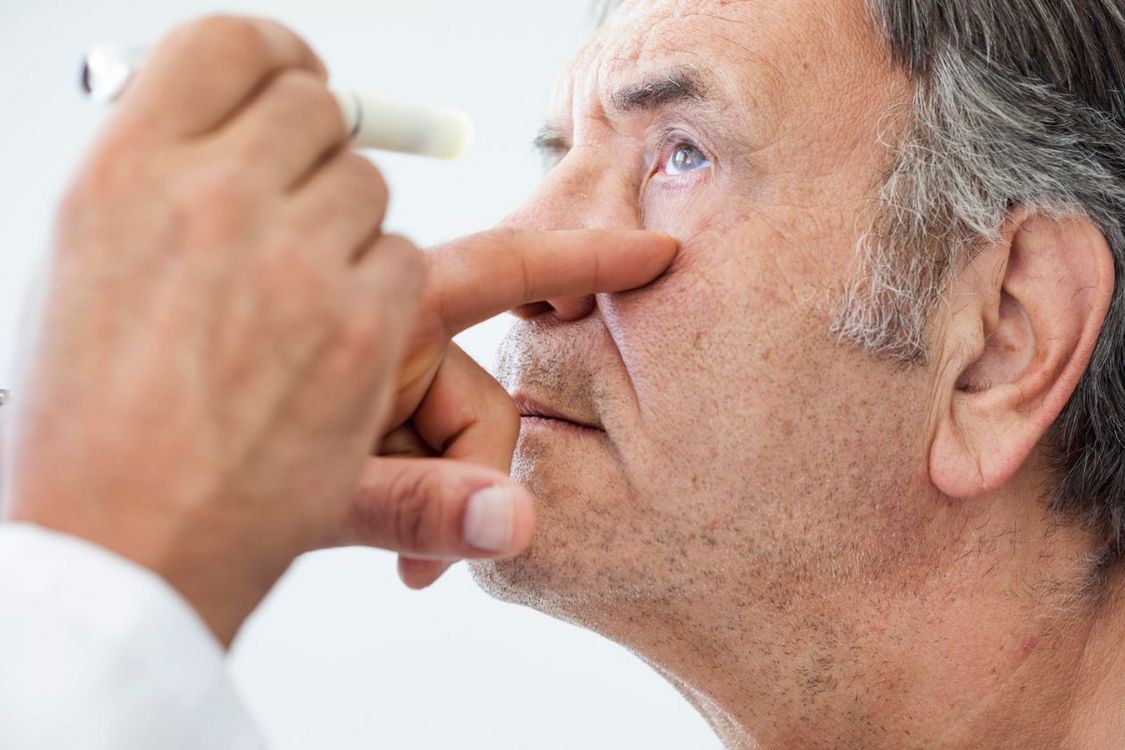
Retinal health is crucial for maintaining good vision and overall eye health. The retina plays a vital role in converting light into electrical signals that are sent to the brain for interpretation. Understanding the importance of retinal health and being aware of common retinal diseases and disorders can help individuals take preventive measures and seek appropriate treatment when needed.
Understanding the Importance of Retinal Health
The retina, located at the back of the eye, is responsible for capturing light and transmitting visual information to the brain. It consists of specialized cells called photoreceptors that convert light into electrical signals. These signals are then transmitted through the optic nerve to the brain, where they are interpreted as visual images.
Furthermore, the retina is a complex and delicate part of the eye that is essential for clear vision. It not only captures light but also plays a crucial role in color perception and the ability to see in low light conditions. The intricate network of cells in the retinal treatments works harmoniously to ensure that visual information is processed accurately and efficiently.
The Role of the Retina in Vision
Without a healthy retina, our ability to see and perceive the world around us is compromised. The retina acts as the gateway to vision, capturing and processing light to create clear and focused images. Any damage or disease affecting the retina can lead to visual impairments and even blindness if left untreated.
Moreover, the retina is responsible for central vision, which is essential for tasks such as reading, driving, and recognizing faces. It also contributes to peripheral vision, allowing us to be aware of our surroundings and navigate our environment safely. Maintaining retinal health is vital for preserving both central and peripheral vision for a high quality of life.
Common Retinal Diseases and Disorders
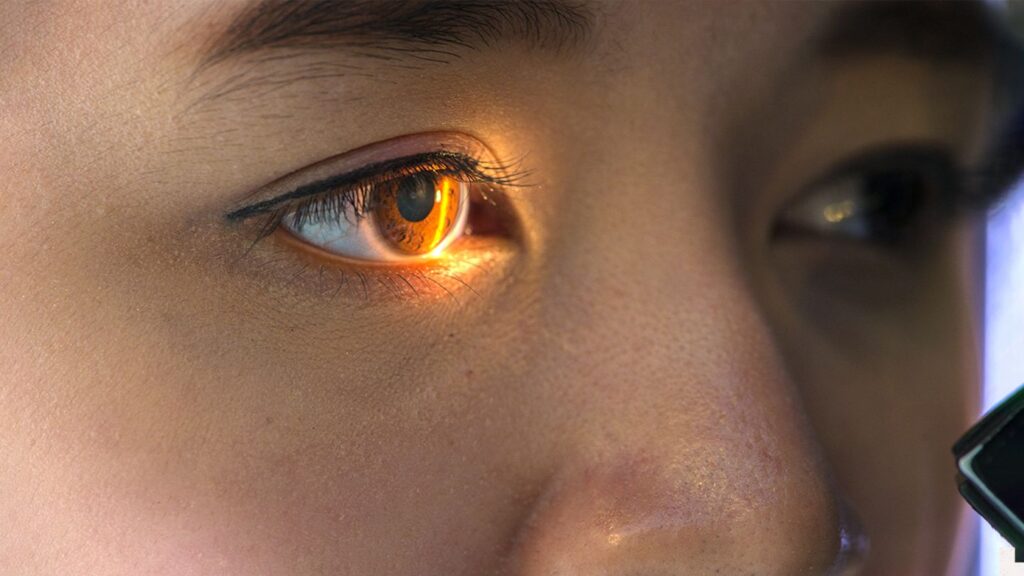
Several retinal diseases and disorders can impact vision and overall eye health. Conditions such as age-related macular degeneration (AMD), diabetic retinopathy, retinal detachment, and retinitis pigmentosa can cause significant vision loss if not properly managed.
An early diagnosis and timely treatment of these retinal conditions are crucial in preserving vision and preventing further progression. Regular eye check-ups and screenings play a crucial role in detecting these conditions in their early stages when treatment options are more effective.
It is important to be aware of the symptoms of retinal diseases, such as sudden changes in vision, floaters or flashes of light, and loss of peripheral vision. If you experience any of these symptoms, it is essential to seek prompt medical attention to prevent potential vision loss. By understanding the importance of retinal health and taking proactive steps to care for your eyes, you can safeguard your vision for years to come. Read more about peripheral vision at https://www.exploratorium.edu/snacks/peripheral-vision
Innovations in Retinal Treatment Techniques
Advancements in surgical procedures and medication therapies have revolutionized the field of retinal treatments. These breakthroughs have provided new hope and improved outcomes for patients with retinal diseases and disorders.
The continuous evolution of retinal treatment techniques has led to remarkable progress in the field, offering patients a wider range of options for managing their conditions. These innovations have not only enhanced the efficacy of treatments but have also contributed to the overall quality of patient care.
Advancements in Surgical Procedures
Surgical procedures, such as vitrectomy and retinal laser surgery, have become more precise and less invasive. Surgeons now have access to advanced tools and techniques that allow for targeted treatment of specific retinal conditions. These advancements have significantly improved surgical outcomes and reduced downtime for patients.
Furthermore, the integration of robotic assistance in retinal surgeries has opened up new possibilities for enhancing surgical precision and reducing the risk of complications. Robotic systems can assist surgeons in performing delicate maneuvers with unparalleled accuracy, ultimately leading to better treatment outcomes for patients.
Breakthroughs in Medication and Drug Therapies
New medications and drug therapies have emerged as effective treatment options for various retinal diseases. Anti-VEGF (vascular endothelial growth factor) medications have revolutionized the treatment of conditions like wet AMD, allowing patients to maintain their vision and improve their quality of life. Other drug therapies, such as corticosteroids, are also being used to manage inflammation and swelling in the retina.
Moreover, ongoing research in gene therapy for retinal disorders shows promising results in addressing the underlying genetic causes of certain conditions. By targeting specific genes responsible for retinal degeneration, gene therapy offers a potential long-term solution for patients, potentially halting or even reversing the progression of their disease.
These advancements in medication therapies provide hope for patients who were previously limited in their treatment options.
The Impact of Technology on Retinal Treatments
The integration of technology into retinal treatments has opened up new possibilities and improved patient outcomes. From the use of AI and robotics in eye surgery to telemedicine options, technology is transforming the way retinal conditions are diagnosed and treated.
Advancements in technology have revolutionized the field of retinal treatments, offering innovative solutions that were once thought to be impossible. The marriage of cutting-edge technology with medical expertise has paved the way for groundbreaking procedures that are changing the lives of patients with retinal disorders.
The Use of AI and Robotics in Eye Surgery
AI and robotic technologies are being utilized in eye surgery to enhance precision and improve surgical outcomes. These technologies assist surgeons in performing delicate retinal procedures with utmost accuracy and efficiency. They also contribute to shorter surgery times and faster patient recovery. To learn more about accuracy and efficiency click here.
The use of AI in eye surgery allows for real-time data analysis and decision-making, enabling surgeons to make informed choices during complex procedures. Robotic assistance provides steady and precise movements, reducing the margin of error and ensuring optimal results for patients undergoing retinal treatments.
Telemedicine and Remote Treatment Options
Telemedicine has emerged as a valuable tool in providing remote retinal care, particularly in rural areas or for patients with limited mobility. Through telemedicine platforms, patients can receive virtual consultations, get their retinal conditions evaluated, and receive appropriate treatment recommendations from the comfort of their homes. This eliminates the need for unnecessary travel while ensuring timely access to specialized care.
Remote treatment options have not only increased access to retinal specialists but have also improved patient compliance with follow-up appointments and treatment plans. By leveraging telemedicine technologies, healthcare providers can monitor patients’ progress remotely, adjust treatment regimens as needed, and provide continuous support to individuals managing retinal conditions from afar.
Future Prospects in Retinal Treatments
Ongoing research and advancements in the field of retinal treatments offer hope for further improvements in managing retinal diseases and disorders. As technology continues to evolve, the future of retinal treatments looks promising, with innovative approaches paving the way for more effective and personalized care.
One area of exciting development is the exploration of nanotechnology in retinal treatments. Nanoparticles are being studied for their potential in delivering drugs directly to the retina, offering targeted therapy with minimal side effects. This cutting-edge approach could revolutionize the way retinal diseases are treated, providing more precise and efficient delivery of medications.
Emerging Research and Potential Therapies
Scientists and researchers continue to explore new treatments, including gene therapy and stem cell therapy, to restore and regenerate damaged retinal cells. These potential therapies hold promise for the treatment of retinal conditions that were once considered untreatable. Gene therapy, in particular, shows great potential in addressing genetic mutations that contribute to retinal diseases, offering a tailored approach to treatment at the molecular level.
Additionally, advancements in stem cell research have opened up new possibilities for regenerating retinal tissue and restoring vision. By harnessing the regenerative potential of stem cells, researchers are working towards developing therapies that can repair damaged retinas and improve visual function in patients with various retinal disorders.
The Role of Genetics and Personalized Medicine in Retinal Health
By understanding the genetic factors influencing retinal diseases, personalized medicine approaches can be developed. Customized treatment plans based on an individual’s genetic makeup may lead to greater treatment efficacy and improved outcomes. Through genetic testing and analysis, healthcare providers can identify specific genetic markers that predispose individuals to certain retinal conditions, allowing for targeted interventions that address the root cause of the disease.
Furthermore, the field of pharmacogenomics is playing a crucial role in tailoring retinal treatments to individual patients. By considering how an individual’s genetic makeup influences their response to medications, healthcare providers can optimize treatment regimens to maximize benefits and minimize adverse effects. This personalized approach to retinal care holds great promise in improving patient outcomes and revolutionizing the management of retinal diseases.
Making Retinal Health a Priority
Preventing retinal diseases and preserving retinal health should be a priority for everyone. Taking proactive measures and following healthy habits can significantly reduce the risk of developing retinal conditions.
Retinal health is crucial for maintaining clear vision and overall eye function. The retina, a thin layer of tissue located at the back of the eye, plays a vital role in converting light into signals that are sent to the brain, allowing us to see the world around us. By prioritizing retinal health, individuals can safeguard this intricate process and protect their vision for years to come.

Preventative Measures for Retinal Health
Protecting the eyes from harmful UV rays, maintaining a healthy lifestyle, and managing underlying medical conditions such as diabetes and high blood pressure can contribute to good retinal health. Additionally, regular eye check-ups with an ophthalmologist can help detect any early signs of retinal diseases and initiate appropriate treatment promptly.
Ensuring adequate intake of essential nutrients such as lutein, zeaxanthin, omega-3 fatty acids, and vitamins C and E can also support retinal health. These nutrients act as antioxidants, protecting the retina from oxidative stress and age-related damage. Including foods like leafy greens, fish, nuts, and citrus fruits in your diet can provide the necessary nutrients to promote optimal retinal function.
The Importance of Regular Eye Check-ups
Regular eye check-ups are essential for maintaining overall eye health, including the prevention and early detection of retinal diseases. These check-ups allow for timely intervention and the implementation of necessary treatment plans, reducing the risk of irreversible vision loss.
Advanced technologies such as optical coherence tomography (OCT) and fundus photography enable eye care professionals to assess the health of the retina with high precision. These diagnostic tools allow for detailed imaging of the retina, aiding in the early diagnosis of conditions like age-related macular degeneration, diabetic retinopathy, and retinal detachment.
As advancements in retinal treatments continue to progress, the future looks promising for individuals living with retinal diseases and disorders. By understanding the importance of retinal health, staying informed about the latest innovations, and making retinal health a priority, individuals can protect their vision and ensure a bright future for their overall eye health.
Read more
Leave a Reply