
Sleep Study CPAP: Assessing Sleep Patterns with CPAP Therapy
Sleep Study CPAP: Assessing Sleep Patterns with CPAP Therapy
Understanding Sleep Apnea
Sleep apnea is a common sleep disorder that affects millions of people worldwide. It occurs when a person’s breathing is repeatedly interrupted during sleep, leading to brief awakenings throughout the night. This disruption in sleep can have serious consequences on one’s overall health and wellbeing.
Individuals with sleep apnea may not be aware of these awakenings, as they are often very brief and do not trigger full consciousness. However, the constant cycle of interrupted breathing can prevent the individual from reaching the deep, restorative stages of sleep, leaving them feeling fatigued and unrested despite spending a full night in bed.
Sleep study cpap is a non-invasive treatment option that is highly effective in managing sleep apnea. By maintaining a consistent flow of air pressure, CPAP helps to prevent pauses in breathing and ensures that oxygen levels in the blood remain stable throughout the night. This not only improves the quality of sleep but also reduces the strain on the heart and other vital organs, promoting overall health and well-being.
The Role of Sleep in Health
Sleep plays a vital role in maintaining good health. It is during sleep that our bodies repair and rejuvenate themselves, ensuring optimal functioning of various bodily systems. Without sufficient sleep, our physical and mental health can be negatively impacted.
In addition to physical health, sleep also plays a crucial role in cognitive functions such as memory consolidation and learning. During deep sleep stages, the brain processes and stores information gathered throughout the day, aiding in the formation of long-term memories and overall cognitive performance.
What is Sleep Apnea?
Sleep apnea is characterized by episodes of interrupted breathing during sleep. These interruptions, known as apneas, can last for a few seconds to minutes and can occur multiple times throughout the night. There are three main types of sleep apnea: obstructive sleep apnea, central sleep apnea, and complex sleep apnea syndrome.
Obstructive sleep apnea, the most common form, occurs when the muscles at the back of the throat relax and block the airway, leading to pauses in breathing. Central sleep apnea, on the other hand, is caused by the brain failing to send proper signals to the muscles that control breathing. Complex sleep apnea syndrome is a combination of both obstructive and central sleep apnea.
Symptoms and Risks of Sleep Apnea
The symptoms of sleep apnea can vary from person to person, but common signs include loud snoring, gasping or choking during sleep, excessive daytime sleepiness, morning headaches, and difficulty concentrating. If left untreated, sleep apnea can lead to serious health risks, including high blood pressure, heart disease, stroke, and diabetes.
It is crucial for individuals experiencing symptoms of sleep apnea to seek medical evaluation and treatment to prevent potential complications and improve their overall quality of life. By addressing sleep apnea, individuals can experience better sleep, increased daytime alertness, and reduced risks of associated health conditions.
Introduction to CPAP Therapy
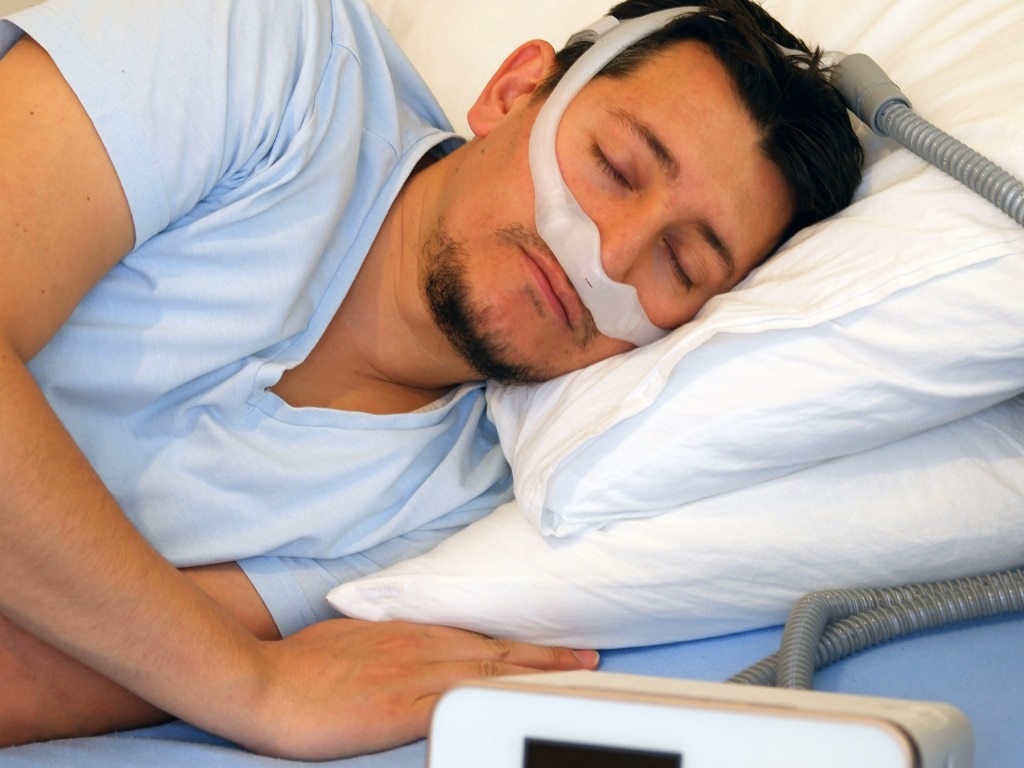
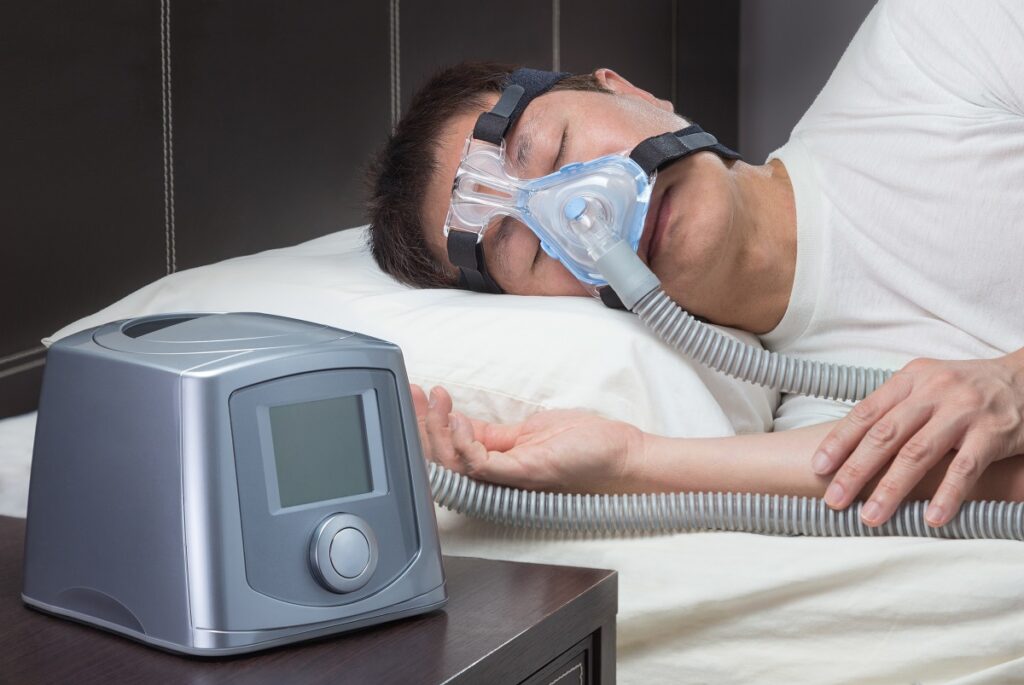
Continuous Positive Airway Pressure (CPAP) therapy is the gold standard treatment for sleep apnea. It involves wearing a mask over the nose or mouth during sleep, which delivers a continuous flow of air pressure to keep the airway open and prevent apneas.
How Does CPAP Work?
CPAP works by providing a constant stream of air pressure that acts as a splint to keep the airway open. This prevents the collapse of the soft tissues at the back of the throat, allowing for uninterrupted breathing during sleep.
Furthermore, CPAP therapy helps to reduce the occurrence of micro-arousals during sleep, which are brief awakenings that disrupt the sleep cycle. By maintaining a steady flow of air, CPAP ensures that the individual experiences more restful and continuous sleep, leading to improved cognitive function and daytime alertness.
Benefits of Using CPAP
Using CPAP therapy has numerous benefits for sleep apnea patients. It helps improve sleep quality, reduces daytime sleepiness, and alleviates symptoms such as snoring and gasping. CPAP therapy also lowers the risk of developing associated health conditions, promoting long-term health and wellbeing.
Additionally, CPAP has been shown to reduce the risk of cardiovascular problems such as hypertension, stroke, and heart disease in individuals with sleep apnea. By effectively treating the underlying cause of these issues, CPAP plays a crucial role in enhancing cardiovascular health and reducing the overall burden of disease.
The Process of a Sleep Study
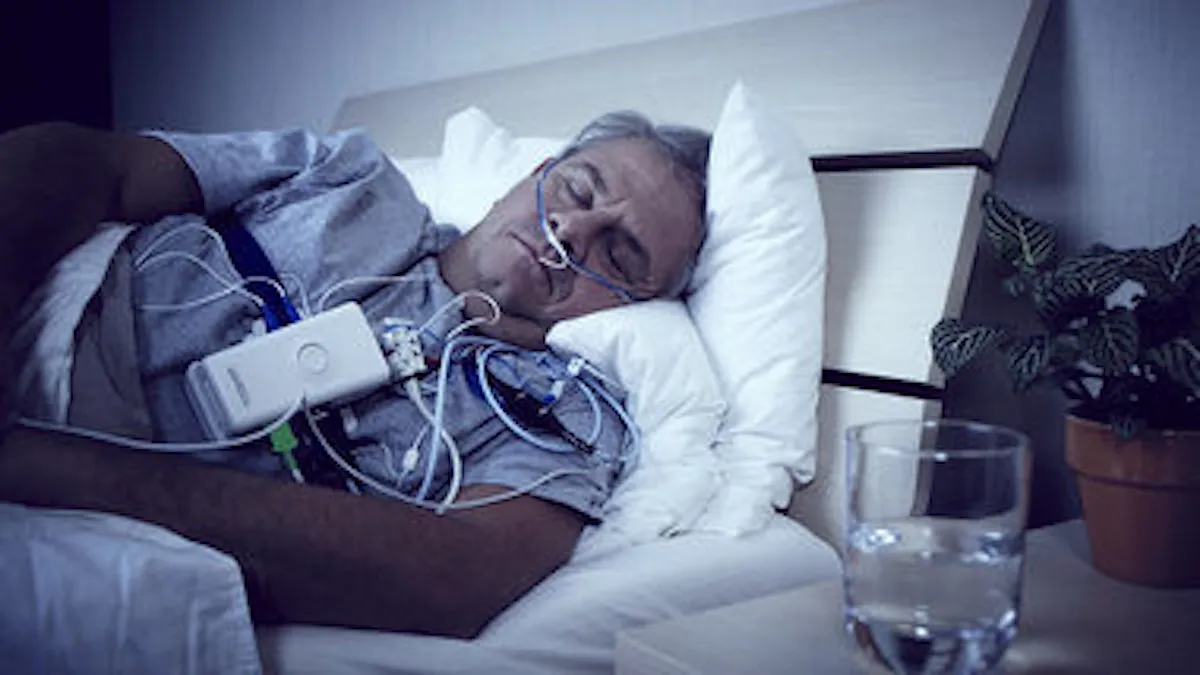
Before starting CPAP therapy, a sleep study is often conducted to assess the severity of sleep apnea and determine the most appropriate treatment plan. The sleep study involves spending a night in a sleep lab while various measurements and recordings are taken.
It’s important to note that sleep studies, also known as polysomnography, are not only used to diagnose sleep apnea but can also help identify other sleep disorders such as narcolepsy, insomnia, and restless leg syndrome. By monitoring your brain waves, eye movements, muscle activity, and heart rhythm throughout the night, sleep specialists can gather comprehensive data to evaluate your overall sleep quality. Learn more about heart rhythm visit at https://health.ucdavis.edu/sports-medicine/resources/heart-rate.
Preparing for a Sleep Study
Prior to the sleep study, it is important to follow any specific instructions given by the sleep center. This may include avoiding caffeine and alcohol, taking certain medications as prescribed, and packing overnight essentials.
In addition to following the pre-study guidelines, it’s beneficial to inform the sleep technologist about any regular bedtime routines or habits you have. This information can provide context for the data collected during the study and aid in a more accurate assessment of your sleep patterns. Learn more about Sleep Study Cairns: Analysing Sleep Patterns in Cairns visit at https://fattofitmyquest.com/sleep-study-cairns-analysing-sleep-patterns-in-cairns/.
What Happens During a Sleep Study?
During the sleep study, electrodes will be attached to various parts of your body to monitor brain activity, eye movements, heart rate, and airflow. Additionally, a belt will be placed around your chest to measure breathing effort. These recordings will provide valuable information about your sleep patterns and the presence of any apneas.
Throughout the night, the sleep technologist will observe your sleep stages and any abnormalities that may occur. They will also be able to make real-time adjustments to the monitoring equipment to ensure accurate data collection. Rest assured that the sleep lab is designed to provide a comfortable and controlled environment to mimic your typical sleeping conditions as closely as possible.
Interpreting Sleep Study Results
Once the sleep study is complete, the data collected will be analyzed by a sleep specialist. The results will be compiled into a sleep study report, which will provide detailed information about your sleep patterns and the severity of your sleep apnea. This report is crucial in understanding your sleep health and determining the most effective treatment plan moving forward.
Upon receiving your sleep study report, it’s important to review it with your healthcare provider to gain a comprehensive understanding of the findings. The report will not only outline the number of apneas and hypopneas you experienced per hour of sleep (the apnea-hypopnea index or AHI) but also shed light on the quality of your sleep, potential disruptions, and overall sleep efficiency.
Understanding Your Sleep Study Report
Your sleep study report will include information such as the number of apneas and hypopneas you experienced per hour of sleep, known as the apnea-hypopnea index (AHI). It will also provide insights into other sleep parameters like sleep efficiency and the presence of any other sleep disorders.
Moreover, the report may delve into specific sleep stages, highlighting the time spent in each stage throughout the night. This breakdown can offer valuable insights into your sleep architecture and help identify any abnormalities or disruptions that may be impacting the quality of your rest.
How CPAP Therapy Affects Sleep Patterns
CPAP therapy has been shown to significantly improve sleep patterns in individuals with sleep apnea. It can reduce the frequency and duration of apneas, leading to more restful and uninterrupted sleep. Additionally, CPAP therapy can also improve sleep-stage distribution and promote healthier sleep architecture. By maintaining open airways and ensuring proper oxygen flow during sleep, CPAP therapy plays a vital role in enhancing overall sleep quality and reducing the risks associated with untreated sleep apnea. Learn more about oxygen flow click here.
Living with CPAP Therapy
Adjusting to CPAP therapy may take some time, but with patience and support, it can become a beneficial part of your daily routine.
CPAP therapy, or Continuous Positive Airway Pressure therapy, is a common treatment for obstructive sleep apnea. It works by delivering a constant flow of air through a mask worn during sleep, keeping the airway open and allowing for uninterrupted breathing. While the benefits of CPAP therapy are significant, it is important to understand the adjustment process and the necessary steps to ensure its effectiveness.
Adjusting to CPAP Equipment
Getting used to wearing a CPAP mask and using the machine can be challenging initially. It is important to find a mask that fits comfortably and suits your sleeping position. There are various types of masks available, including nasal masks, nasal pillows, and full-face masks, so it may take some trial and error to find the right fit. Additionally, adjusting the straps and headgear to ensure a secure but not overly tight fit is crucial for comfort and effectiveness.
Furthermore, it is essential to establish a routine for cleaning and maintaining your CPAP equipment. Regular cleaning of the mask, tubing, and humidifier chamber is necessary to prevent the buildup of bacteria and mold. Using mild soap and water or CPAP-specific wipes can help keep the equipment clean and hygienic. It is also recommended to replace the mask and tubing regularly to ensure optimal performance and comfort.
Maintaining Your CPAP Machine
To ensure the effectiveness of CPAP therapy, it is important to maintain your CPAP machine regularly. This includes cleaning the mask, replacing filters as needed, and inspecting for any signs of wear and tear. Adhering to these maintenance practices will help extend the lifespan of your CPAP equipment and ensure optimal therapy outcomes.
Moreover, it is beneficial to monitor your sleep patterns and CPAP usage to track progress and make any necessary adjustments. Many CPAP machines come with built-in data tracking features that allow you to review your nightly usage and identify any issues that may be affecting your therapy. Consulting with your healthcare provider or a sleep specialist can also provide valuable insights and guidance on optimizing your CPAP therapy.
In conclusion, a sleep study CPAP is a valuable tool for assessing sleep patterns in individuals with sleep apnea. By understanding the role of sleep in health, recognizing the symptoms and risks of sleep apnea, and exploring the benefits of CPAP therapy, individuals can take proactive steps towards improving their sleep quality and overall wellbeing.
Leave a Reply