
Comprehending the Underlying Causes and Risks of Sleep Apnea
In today’s fast-paced world, quality sleep is something that many people struggle to achieve. One of the common sleep disorders that affect a significant portion of the population is sleep apnea. Understanding the causes and risks of sleep apnea is crucial in order to effectively manage and treat this condition.
Understanding Sleep Apnea
Sleep apnea is a sleep disorder characterized by repeated pauses in breathing during sleep. These pauses, known as apneas, can last for a few seconds to a minute and occur multiple times throughout the night. This disrupted breathing pattern often leads to poor sleep quality and excessive daytime sleepiness.
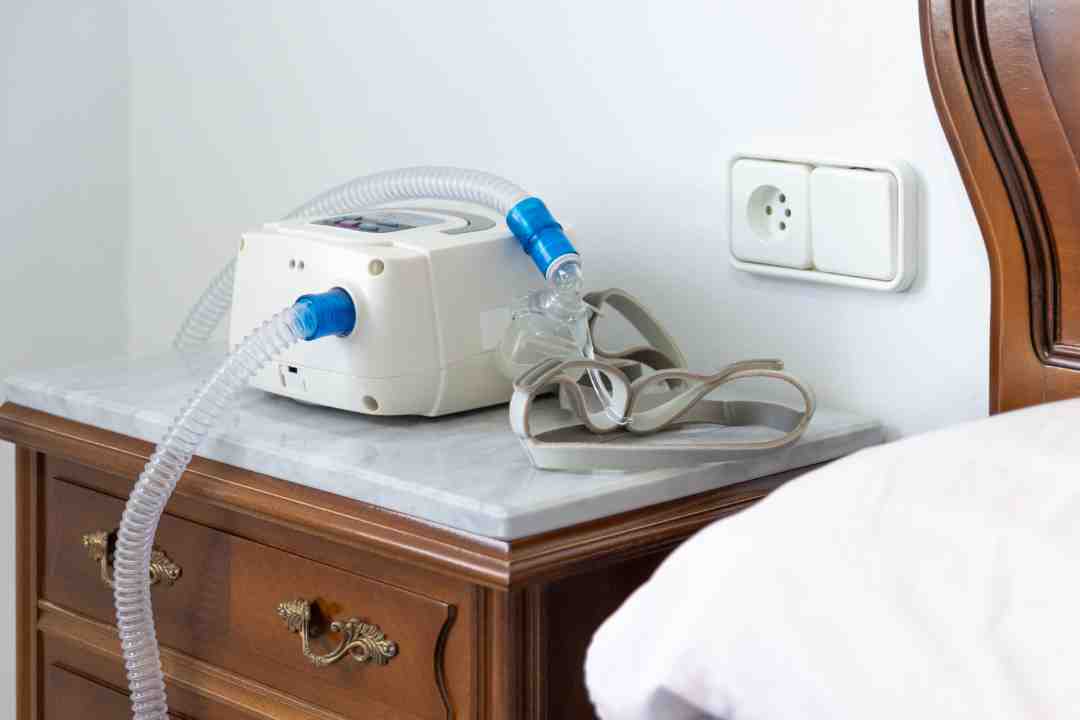
When a person with sleep apnea experiences an apnea, their body is briefly deprived of oxygen. This triggers the brain to wake the person up, often with a loud snort or gasp, in order to restore normal breathing with sleep apnea machine. These awakenings are usually so brief that the person does not remember them, but they can disrupt the sleep cycle and prevent the person from getting the deep, restorative sleep they need.
One of the most common symptoms of sleep apnea is loud and chronic snoring. This occurs because the airway becomes partially blocked during sleep, causing the tissues in the throat to vibrate as air passes through. However, not everyone who snores has sleep apnea, and not everyone with sleep apnea snores.
Defining Sleep Apnea
Sleep apnea can be classified into three main types: obstructive sleep apnea (OSA), central sleep apnea (CSA), and complex sleep apnea syndrome (CSAS). OSA is the most common type and is caused by a physical obstruction that hinders the airflow in the upper airway. This obstruction can be due to factors such as excess weight, enlarged tonsils, or a narrow airway.
CSA, on the other hand, occurs when the brain fails to send the proper signals to the muscles that control breathing. This can be caused by medical conditions such as heart failure, stroke, or brain tumors. CSAS, as the name suggests, is a combination of both OSA and CSA, where a physical obstruction and a failure in brain signaling contribute to the breathing difficulties.
It is important to note that sleep apnea is a serious medical condition that requires proper diagnosis and treatment. If left untreated, it can lead to various health complications, including high blood pressure, heart disease, stroke, and diabetes.
The Prevalence of Sleep Apnea
Sleep apnea is more prevalent than one might think. Studies estimate that approximately 25% of adults worldwide have some form of sleep apnea, with OSA being the most prevalent. This sleep disorder can affect individuals of all ages, including children.
There are certain risk factors that can increase the likelihood of developing sleep apnea. These include obesity, being male, being over the age of 40, having a family history of sleep apnea, having a large neck circumference, and having certain medical conditions such as nasal congestion, allergies, or a deviated septum.
It is important to raise awareness about sleep apnea and its potential impact on overall health and well-being. By understanding the different types of sleep apnea, its symptoms, and its prevalence, individuals can take proactive steps to seek diagnosis and treatment, ultimately improving their quality of life and reducing the risk of associated health complications.
The Underlying Causes of Sleep Apnea
While sleep apnea can affect anyone, certain factors increase the risk of developing this condition. These factors include genetic predisposition and lifestyle/environmental triggers.
Genetic Factors and Sleep Apnea
Research suggests that genetics may play a role in the development of sleep apnea. Studies have found that having a family history of the disorder increases the chances of an individual developing sleep apnea. Additionally, certain physical characteristics, such as obesity and a narrow throat, can be inherited and contribute to the obstruction of the airway during sleep.
Genetic predisposition to sleep apnea can be influenced by a combination of genes. Researchers have identified specific genetic variations that are associated with an increased risk of developing sleep apnea. These variations can affect the structure and function of the airway, making it more susceptible to collapse during sleep. Understanding the genetic basis of sleep apnea can help in the development of targeted treatments and interventions.
Furthermore, studies have shown that sleep apnea can run in families, suggesting a strong genetic component. If one or both parents have sleep apnea, their children are more likely to develop the condition. However, it is important to note that genetic predisposition is not the sole determinant of sleep apnea. Other factors, such as lifestyle and environmental triggers, also play a significant role.
Lifestyle and Environmental Triggers
Various lifestyle and environmental factors can also trigger sleep apnea or worsen existing symptoms. Obesity, smoking, alcohol consumption, and sedative use are all known to increase the risk of developing sleep apnea. Obesity, in particular, is strongly associated with sleep apnea as excess weight can lead to the narrowing of the airway and the accumulation of fat around the throat and neck area.
Moreover, smoking has been linked to an increased risk of sleep apnea. The chemicals in tobacco smoke can irritate the airways and cause inflammation, leading to airway obstruction during sleep. Alcohol consumption and sedative use can also relax the muscles in the throat, making it more likely for the airway to collapse.
In addition to lifestyle factors, environmental triggers can also contribute to the development of sleep apnea. Exposure to secondhand smoke, for example, can increase the risk of sleep apnea. The toxins present in secondhand smoke can irritate the airways and cause inflammation, leading to breathing difficulties during sleep.
Living in environments with high pollution levels can also be a risk factor for sleep apnea. Air pollution, both indoors and outdoors, can irritate the respiratory system and contribute to airway inflammation and obstruction.
It is important to note that while these lifestyle and environmental factors can increase the risk of developing sleep apnea, they do not guarantee the development of the condition. Sleep apnea is a complex disorder with multiple underlying causes, and individual susceptibility can vary. Click here to read about the latest innovations in CPAP machines for sleep apnea treatment.
The Health Risks Associated with Sleep Apnea
Untreated sleep apnea can have serious health consequences. Understanding the potential risks can help individuals prioritize the management and treatment of this condition.
Sleep apnea is a sleep disorder characterized by pauses in breathing or shallow breaths during sleep. These pauses, known as apneas, can last for a few seconds to a few minutes and can occur multiple times throughout the night. While sleep apnea is a common condition, it is often undiagnosed and untreated, putting individuals at risk for various health complications.
Cardiovascular Complications
Individuals with untreated sleep apnea are at an increased risk of developing cardiovascular problems. The repeated pauses in breathing during sleep can lead to high blood pressure, heart disease, heart attack, and stroke. When the airway becomes blocked or collapses, the body’s oxygen levels decrease, causing the heart to work harder to pump blood and deliver oxygen to vital organs. This increased strain on the heart can have long-term detrimental effects, contributing to the development of cardiovascular diseases.
Furthermore, the fluctuation in oxygen levels and the release of stress hormones during apneas can disrupt the normal functioning of blood vessels, leading to inflammation and the formation of blood clots. These clots can potentially block blood flow to the heart or brain, resulting in a heart attack or stroke.
Mental Health Concerns
Sleep apnea not only affects physical health but also has potential mental health implications. Studies have shown a link between sleep apnea and mood disorders such as depression and anxiety. The chronic sleep deprivation caused by this condition can negatively impact cognitive function and overall emotional well-being.
During apneas, the brain is momentarily deprived of oxygen, causing disruptions in sleep patterns and preventing individuals from reaching deep, restorative sleep stages. This lack of quality sleep can lead to daytime sleepiness, fatigue, and difficulty concentrating, affecting daily activities and productivity. Over time, the cumulative effects of sleep deprivation can contribute to the development of mood disorders, including depression and anxiety.
Additionally, the fragmented sleep caused by sleep apnea can disrupt the regulation of hormones involved in mood regulation, such as serotonin and dopamine. Imbalances in these neurotransmitters can further contribute to the development or exacerbation of mental health conditions.
It is important for individuals with sleep apnea to seek diagnosis and treatment to mitigate the potential health risks associated with this condition. Continuous positive airway pressure (CPAP) therapy is a common treatment option that helps keep the airway open during sleep, allowing for uninterrupted breathing and improved oxygen levels. Lifestyle changes, such as weight loss, regular exercise, and avoiding alcohol and sedatives, can also help manage sleep apnea and reduce its impact on overall health.
Diagnosing Sleep Apnea
Timely and accurate diagnosis is essential for effectively managing sleep apnea. Recognizing the common symptoms and seeking medical assistance can help individuals access the necessary diagnostic tests.
Symptoms to Look Out For
Common symptoms of sleep apnea include loud snoring, excessive daytime sleepiness, gasping or choking during sleep, morning headaches, and irritability. It’s important to note that not everyone with sleep apnea experiences the typical symptoms, and some individuals may only present with less pronounced signs.
Medical Tests and Diagnosis
To confirm the presence of sleep apnea, healthcare professionals may recommend a sleep study or polysomnogram. This comprehensive test records various physiological parameters during sleep, such as brain waves, heart rate, breathing patterns, and oxygen levels. The results of this test can help determine the severity and type of sleep apnea.
Treatment Options for Sleep Apnea
Fortunately, there are several treatment options available that can improve the quality of sleep and reduce the risks associated with sleep apnea. These treatment options can vary depending on the severity and underlying causes of the condition.
Lifestyle Changes and Home Remedies
In mild cases of sleep apnea, lifestyle modifications can be effective in managing the condition. Losing weight, avoiding alcohol and sedative use before bed, sleeping in a side position, and establishing a consistent sleep schedule are all recommended. Additionally, using nasal decongestants or saline sprays can help alleviate nasal congestion, which can contribute to sleep apnea.
Medical Treatments and Devices
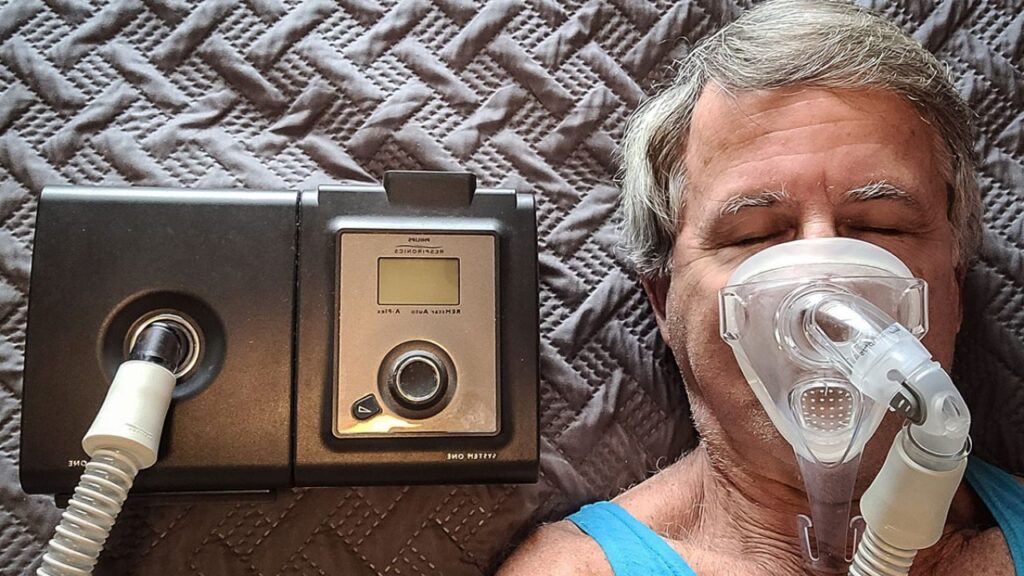
In more severe cases, medical interventions may be necessary. Continuous positive airway pressure (CPAP) therapy is one of the most common and effective treatments for sleep apnea. CPAP machines deliver a steady flow of air through a mask worn over the nose or mouth, preventing the airway from collapsing during sleep. Other treatment options include oral appliances, surgery to remove obstructions, and the use of positional therapy devices.
In conclusion, sleep apnea is a prevalent sleep disorder that can have significant effects on an individual’s health and well-being. Recognizing the underlying causes and risks of sleep apnea is essential for early diagnosis and appropriate management. By understanding the symptoms, seeking medical assistance, and exploring various treatment options, individuals can reclaim restful nights and improve their overall quality of life.
Leave a Reply